
A Comprehensive Guide to California's Concrete Construction Standards


Understanding California's Concrete Construction Standards
California's construction industry is renowned for its stringent standards, particularly when it comes to concrete construction. These standards ensure the safety, durability, and sustainability of structures in a state prone to earthquakes and diverse environmental conditions. This guide delves into the essential aspects of these standards to provide a comprehensive understanding.

Regulatory Framework
The primary regulatory body governing concrete construction in California is the California Building Standards Commission. It develops codes and standards that align with the national guidelines while addressing the unique challenges of the state. The commission ensures that all constructions adhere to the California Building Standards Code, also known as Title 24.
The code is updated every three years, incorporating new technologies and materials that enhance safety and efficiency. Builders and contractors must stay informed about these updates to ensure compliance and optimal construction practices.
Seismic Considerations
Given California's susceptibility to earthquakes, seismic considerations are a crucial component of the state's concrete construction standards. Structures are required to be designed and built to withstand seismic forces, reducing the risk of catastrophic failure during an earthquake.
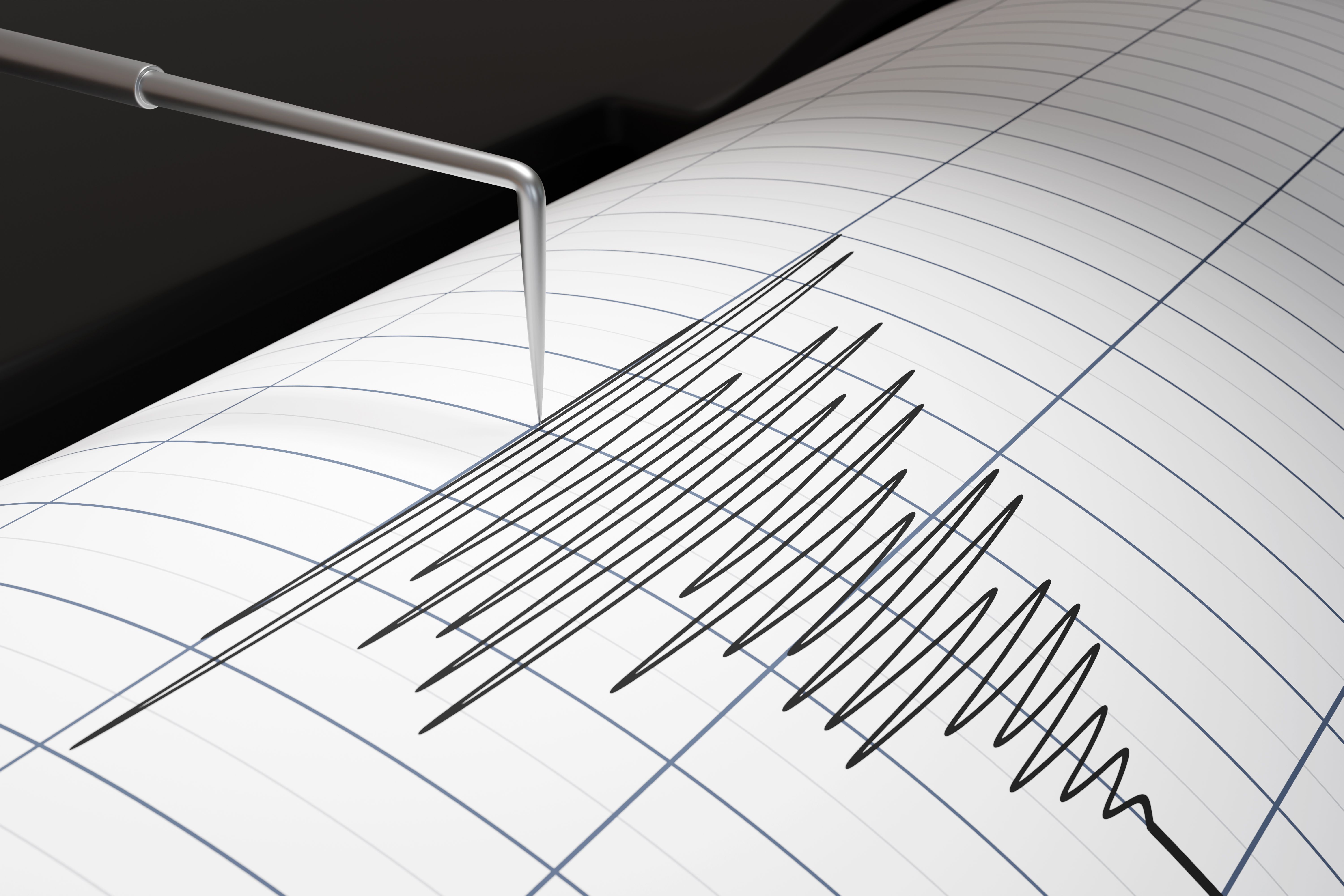
Engineers utilize advanced modeling techniques to simulate seismic activity and test the resilience of concrete structures. These simulations help in designing buildings that not only comply with current regulations but also prioritize occupant safety.
Materials and Testing
The quality of materials used in concrete construction significantly impacts the durability and safety of a structure. California mandates strict testing and quality control measures to ensure that all materials meet the necessary standards.
- Concrete mixtures must be tested for strength and composition.
- Reinforcement bars are inspected for compliance with specified grades.
- Regular on-site inspections and tests are conducted to monitor adherence to standards.

Environmental Considerations
California is a leader in sustainable building practices, and its concrete construction standards reflect this commitment. The state encourages the use of eco-friendly materials and techniques to minimize environmental impact.
Builders are incentivized to use recycled materials, reduce waste, and implement energy-efficient construction methods. These practices not only comply with regulations but also contribute to the overall sustainability of the construction industry.
Ensuring Compliance
Compliance with California's concrete construction standards is not optional. Builders must work closely with regulatory bodies to ensure all aspects of construction meet the state's stringent requirements. Failure to comply can result in hefty fines and project delays.
Regular training and certification programs are available for construction professionals to stay updated on the latest standards and practices. These programs are crucial for maintaining high-quality construction and ensuring the safety and longevity of structures.

In conclusion, understanding and adhering to California's concrete construction standards is essential for any construction project in the state. By prioritizing safety, quality, and sustainability, builders can ensure their projects are not only compliant but also resilient and environmentally responsible.