
Common Misconceptions About Concrete Construction Debunked


Concrete construction has been a cornerstone of modern infrastructure, yet it remains shrouded in myths and misconceptions. These misunderstandings can lead to poor decision-making and increased costs. Let's debunk some of the most common myths about concrete construction.
Concrete is Always Gray
One of the most prevalent misconceptions is that concrete must always be gray. While the natural color of concrete is indeed gray, it can be customized to a wide range of colors. By using different aggregates, pigments, and finishing techniques, concrete can be transformed to match any design aesthetic.
Concrete is Not Environmentally Friendly
Many people believe that concrete is harmful to the environment. However, concrete can be quite sustainable when used responsibly. It is a durable material that can last for decades, reducing the need for frequent replacements. Additionally, innovations like recycled aggregates and carbon capture technologies are making concrete more eco-friendly.
Recycling and Durability
Concrete's durability contributes to its sustainability. By reducing the need for new materials and construction, concrete minimizes waste and energy consumption. Moreover, concrete can be recycled and reused in new projects, further enhancing its environmental credentials.

Concrete is Only for Industrial Use
Another common myth is that concrete is only suitable for industrial applications. In reality, concrete is a versatile material used in residential, commercial, and decorative projects. From countertops to polished floors, concrete offers a wide range of possibilities.
Residential and Decorative Applications
In residential settings, concrete can be used for everything from foundations to driveways and even interior design elements like floors and walls. Its ability to mimic the appearance of other materials, such as stone or wood, makes it a popular choice for decorative purposes.

Concrete is Impermeable
There is a misconception that concrete is completely impermeable. While it is relatively resistant to water, concrete is actually a porous material. Over time, water can penetrate and cause damage if it is not properly sealed or maintained.
Importance of Sealing
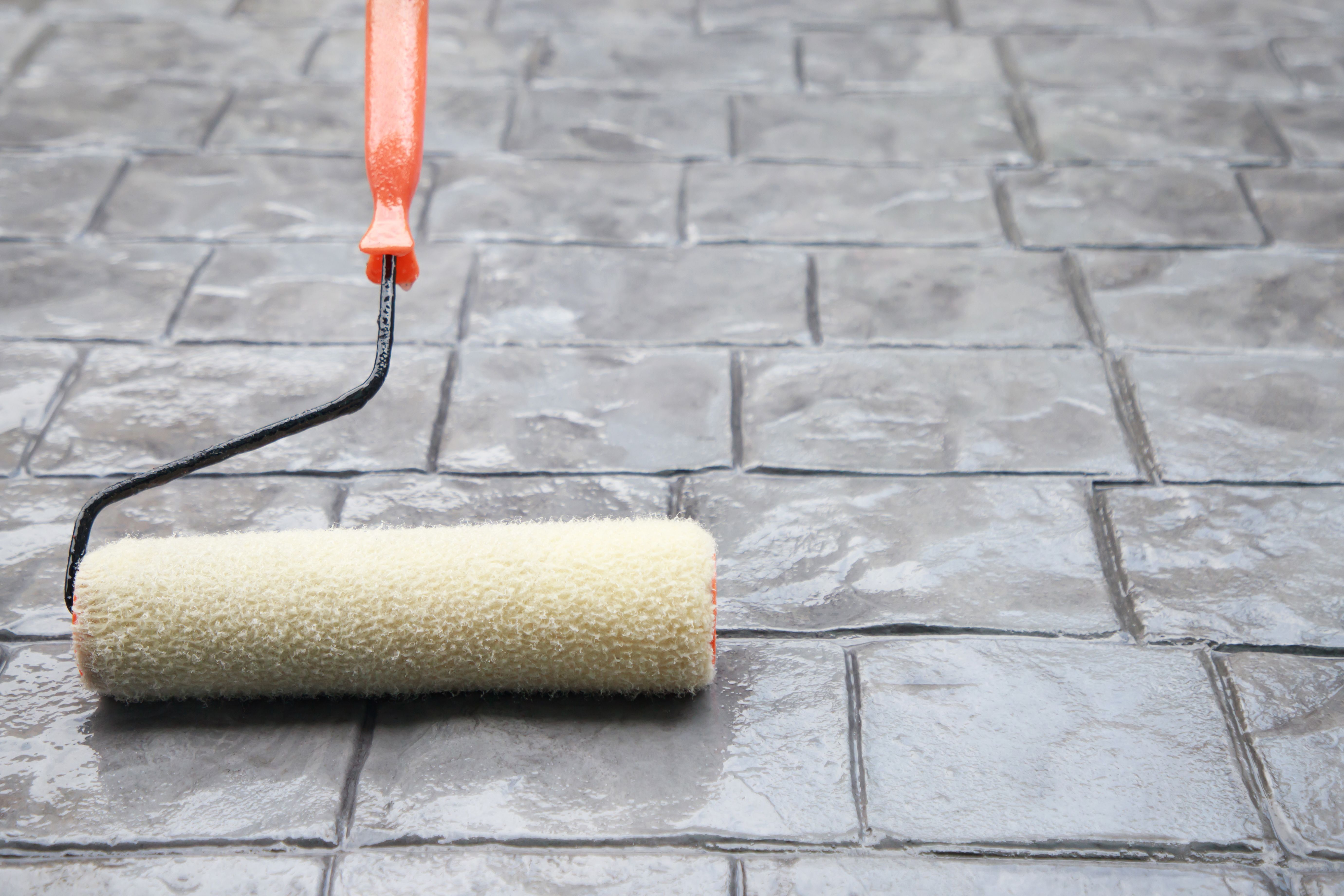
To protect concrete from water damage, sealing is essential. A good sealant prevents water penetration and extends the lifespan of the concrete. Regular maintenance and inspection are crucial to ensure that the seal remains effective.
Conclusion
Understanding the true nature of concrete construction can lead to more informed choices and better outcomes. By debunking these common misconceptions, we can appreciate the versatility, sustainability, and practicality of concrete as a construction material.