Common Misconceptions About Sustainable Cement Debunked


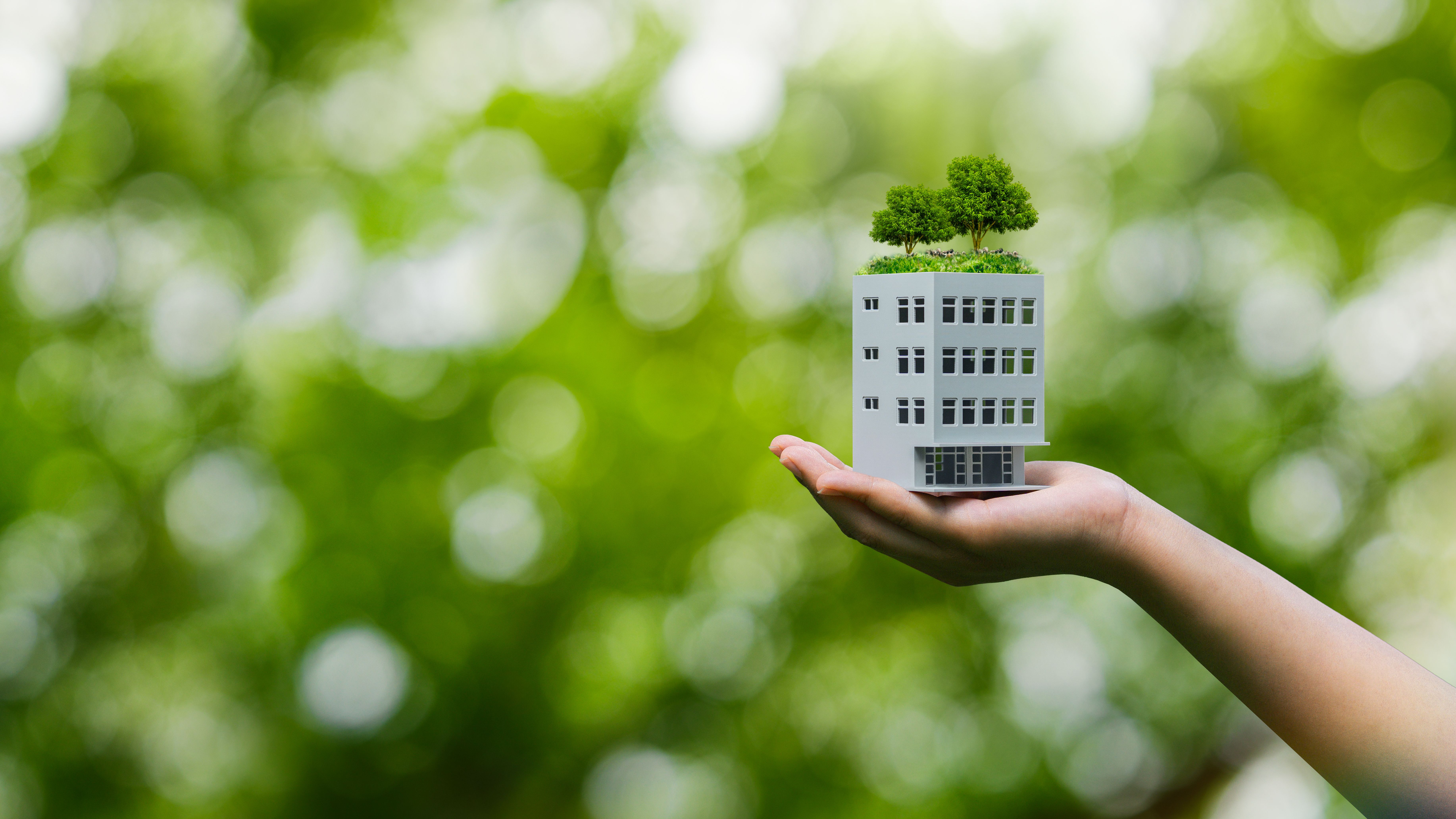
As the world becomes increasingly aware of environmental issues, the construction industry is under pressure to adopt more sustainable practices. Among the many materials scrutinized, cement stands out due to its significant environmental footprint. However, there are several common misconceptions about sustainable cement that need to be addressed to promote informed decision-making.
Myth 1: Sustainable Cement Is Not as Strong
One of the most prevalent myths is that sustainable cement is weaker than traditional cement. This misconception likely stems from the belief that using alternative materials compromises structural integrity. In reality, sustainable cement can match or even exceed the strength of conventional cement. Innovations in material science have led to the development of blends that incorporate industrial byproducts like fly ash and slag, enhancing both strength and durability.
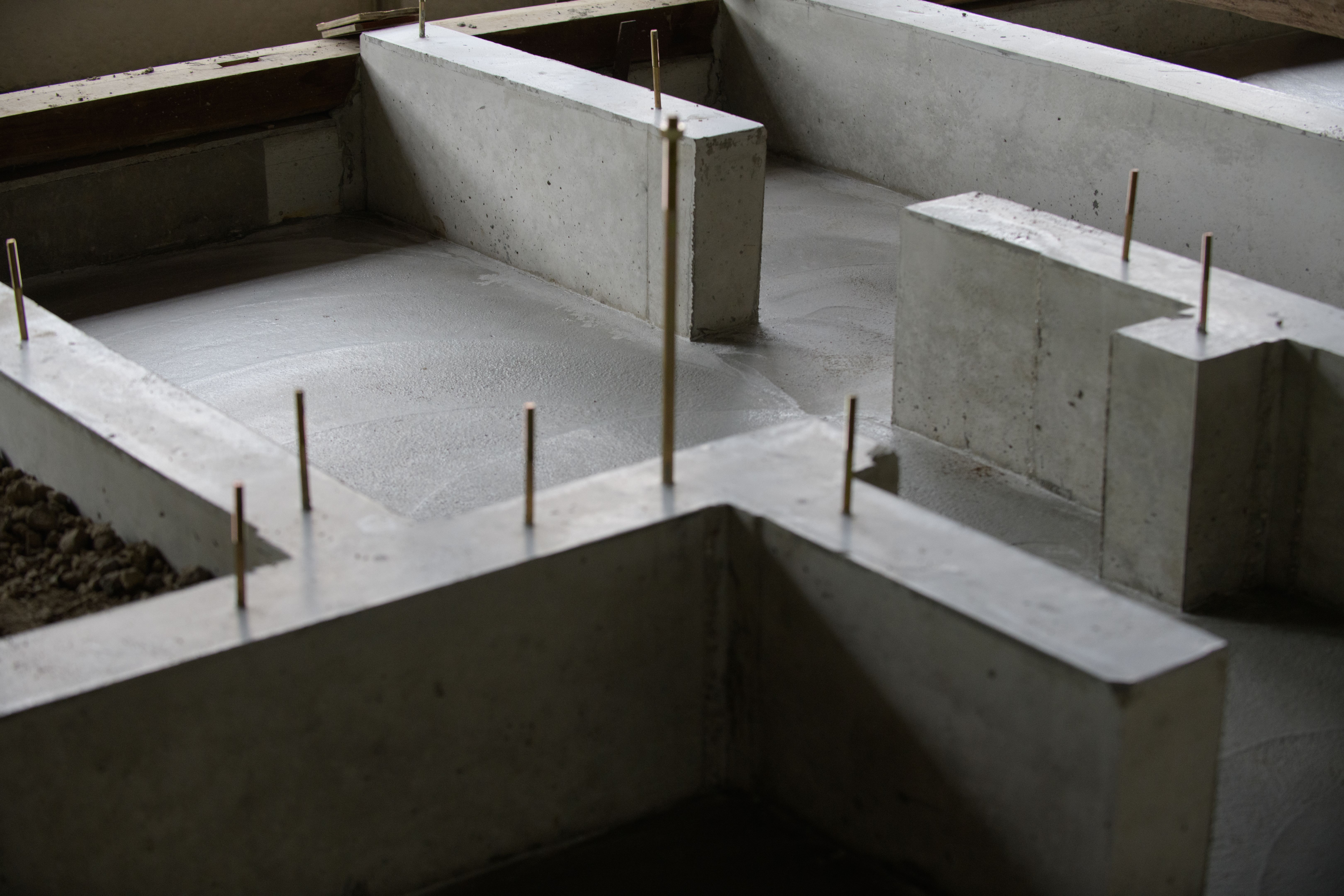
Enhanced formulations are rigorously tested to meet industry standards. These tests ensure that sustainable cement is not only robust but also suitable for a wide range of applications, from residential buildings to large infrastructure projects.
Myth 2: It's Too Expensive
Another common misconception is that sustainable cement is prohibitively expensive. While it's true that initial costs may be higher in some cases, the long-term benefits often outweigh these expenses. Sustainable cement can lead to reduced maintenance costs and longer building lifespans, offering significant savings over time.
Moreover, as demand for sustainable materials increases, economies of scale are expected to bring down costs. Many governments also offer incentives for using eco-friendly building materials, further offsetting initial investments.

Myth 3: Limited Availability
Many believe that sustainable cement is hard to find, but this is rapidly changing. With the construction industry's shift toward sustainability, more manufacturers are investing in the production of eco-friendly cement. Today, sustainable options are increasingly available and accessible worldwide.
In addition, the development of localized production facilities reduces transportation emissions, making sustainable cement not just a viable option but also a preferable one for environmentally conscious builders.
Myth 4: Sustainable Cement Is Just a Trend
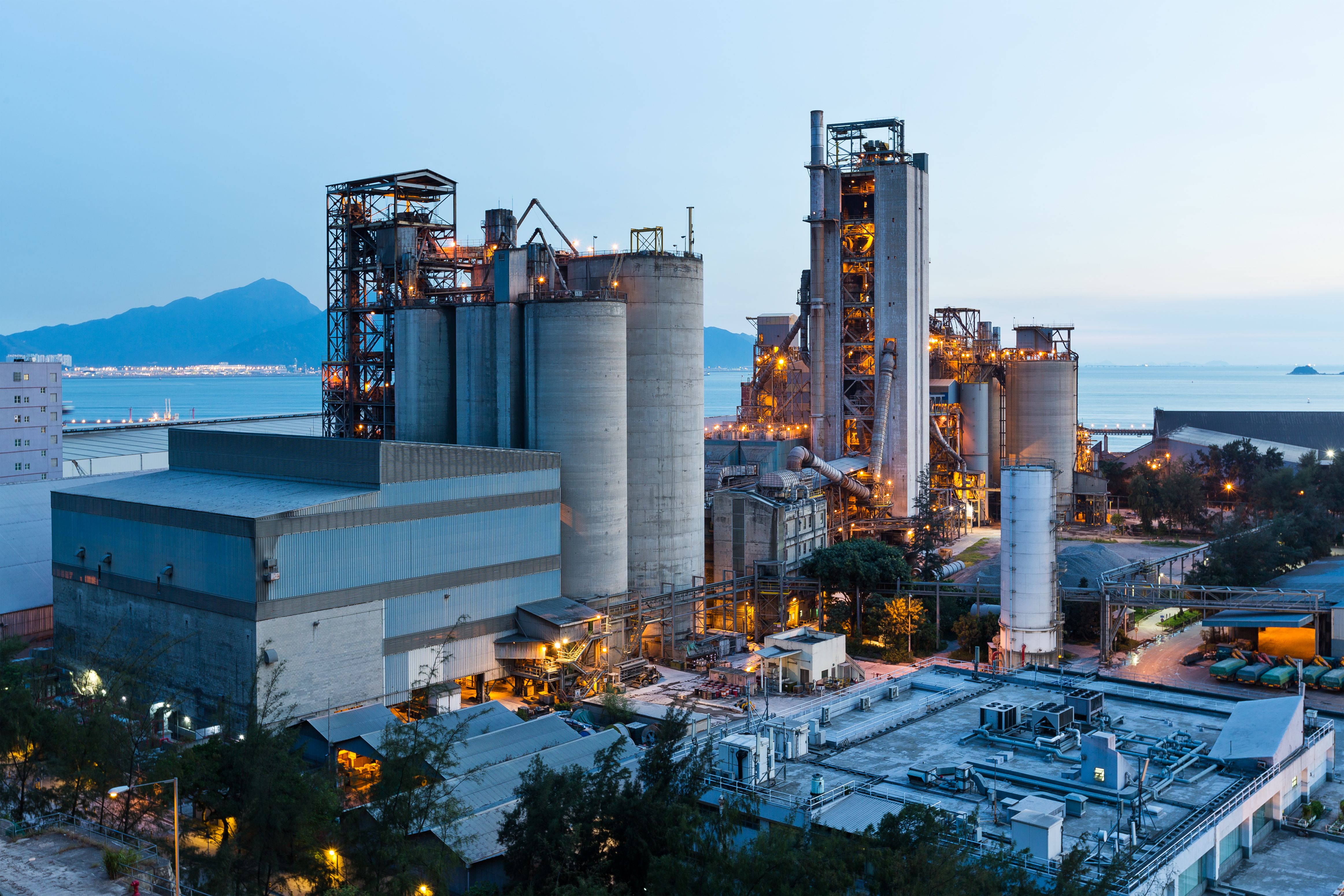
Some skeptics view sustainable cement as a passing trend. However, the push for sustainability is driven by urgent global challenges such as climate change and resource depletion. The construction industry plays a crucial role in addressing these issues, making sustainable cement a key component of long-term environmental strategies.
Innovative research and development continue to improve sustainable cement's performance, ensuring its relevance and necessity well into the future. As the industry evolves, sustainable cement is set to become a standard rather than an exception.
- Reduction in carbon emissions
- Conservation of natural resources
- Increased energy efficiency
Conclusion
Debunking these common misconceptions about sustainable cement is essential for encouraging its adoption. As awareness grows, so does the potential for meaningful change in the construction industry. By understanding the true capabilities and benefits of sustainable cement, stakeholders can make informed choices that contribute to a more sustainable future.