
How Innovative Cement Technologies Are Transforming Urban Landscapes


Introduction to Innovative Cement Technologies
Urban landscapes are continually evolving, and one of the key drivers of this transformation is the development of innovative cement technologies. These advancements are not just refining how we build but are also shaping the very essence of urban life. New cement technologies are now paving the way for more sustainable, durable, and aesthetically pleasing urban environments.
From reducing carbon footprints to enhancing structural integrity, the impact of these technologies is profound. As cities grow and the demand for efficient building materials increases, it becomes crucial to understand how these innovations are changing urban landscapes.
Sustainable Alternatives to Traditional Cement
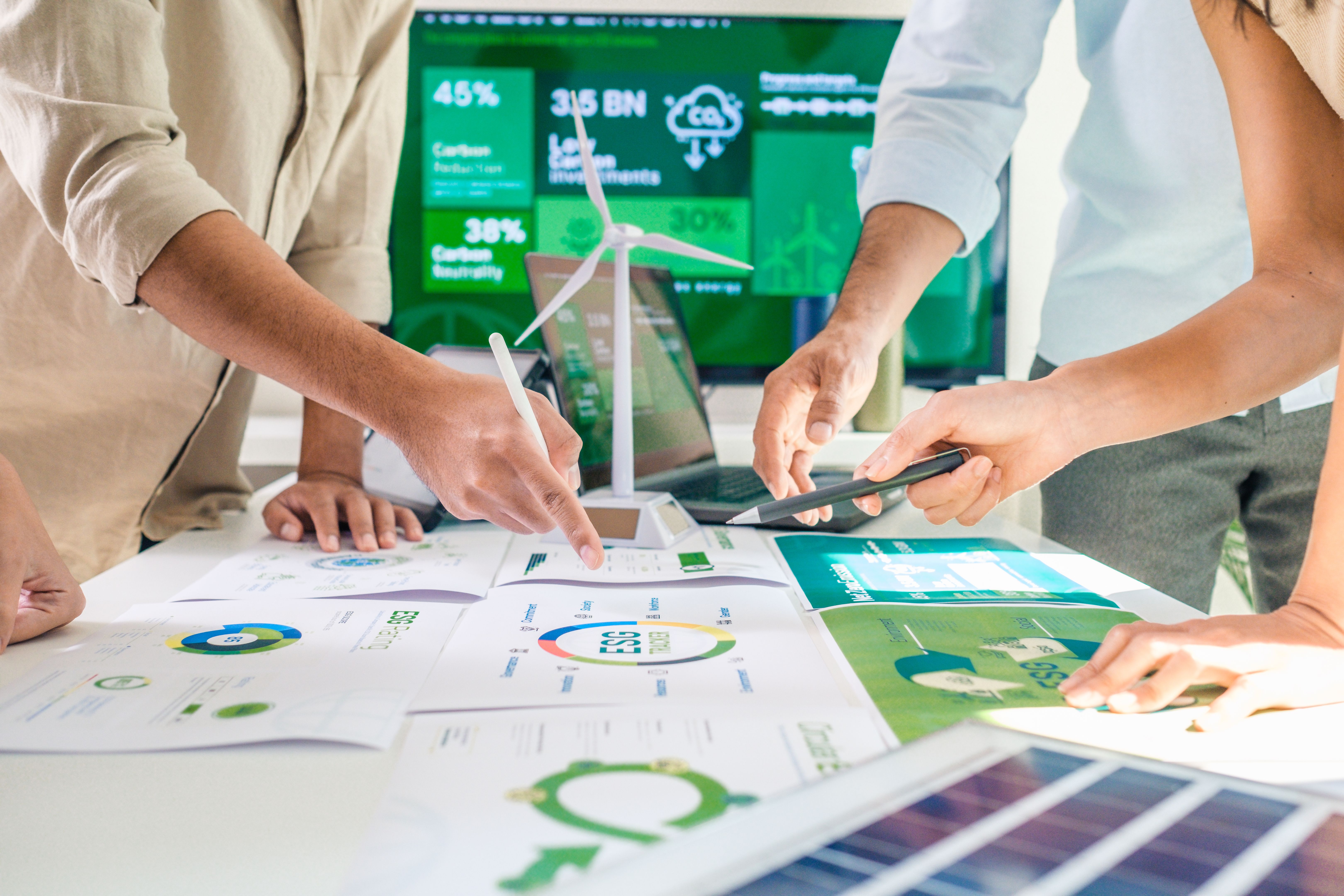
The cement industry has been under scrutiny for its environmental impact, particularly concerning CO2 emissions. Innovative cement technologies are addressing this issue by introducing sustainable alternatives. One such development is the use of limestone calcined clay cement (LC3), which significantly reduces carbon emissions compared to traditional Portland cement.
Additionally, the incorporation of recycled materials, such as fly ash and slag, into cement mixtures is not only reducing waste but also enhancing the durability of the structures. These green alternatives are helping cities achieve their sustainability goals while maintaining the integrity of their infrastructures.
Enhancing Durability and Longevity
Another remarkable aspect of innovative cement technologies is their contribution to the durability and longevity of urban structures. Self-healing concrete, for instance, is a breakthrough that allows cracks to heal automatically through microbial activity. This reduces maintenance costs and extends the lifespan of buildings and infrastructure.
Furthermore, the development of ultra-high-performance concrete (UHPC) offers exceptional strength and resilience, making it ideal for bridges, skyscrapers, and other critical structures. These advancements ensure that urban landscapes can withstand environmental challenges and continue to serve their communities efficiently.
Aesthetic Enhancements through Advanced Cement
Beyond sustainability and durability, innovative cement technologies are also enhancing the aesthetic appeal of urban landscapes. The introduction of translucent concrete allows for creative architectural designs by enabling light to pass through walls, creating stunning visual effects.
Colored and textured concrete options are also becoming popular, offering architects and city planners a broader palette to work with. These materials allow for the creation of visually striking buildings and public spaces that enhance the overall urban experience.
Adapting to Urban Challenges
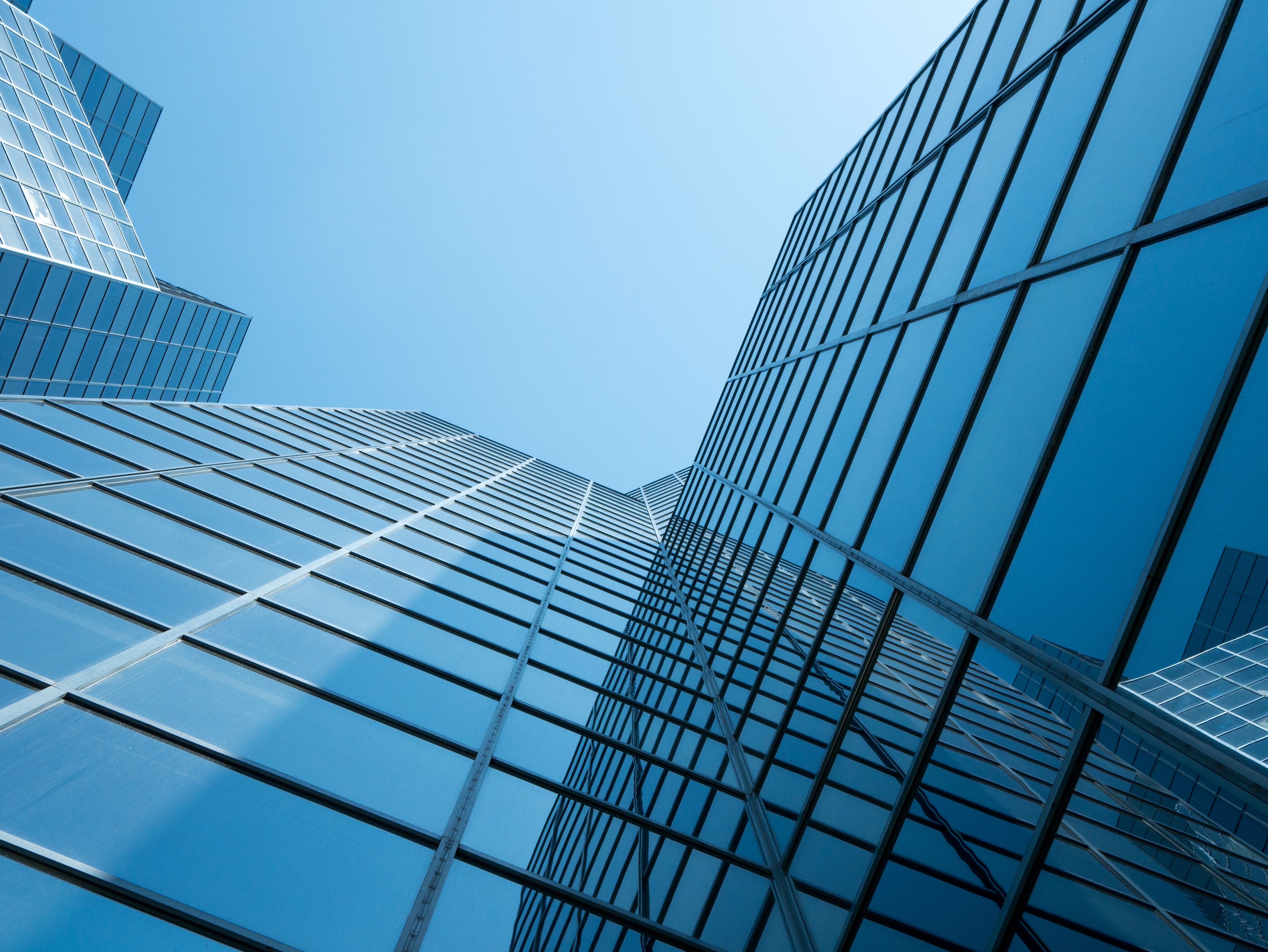
Urban areas face unique challenges, such as population density and limited space. Innovative cement technologies are helping cities adapt to these challenges by enabling the construction of taller and more efficient buildings. Lightweight concrete, for example, reduces the load on building foundations, allowing for the construction of more floors without compromising stability.
Moreover, the development of rapid-setting concrete is facilitating quicker construction processes, minimizing disruption in busy urban areas. These advancements are crucial for cities looking to expand and modernize efficiently.
The Future of Urban Landscapes
As we look to the future, the role of innovative cement technologies in transforming urban landscapes will only grow. With ongoing research and development, we can expect even more groundbreaking advancements that will further enhance sustainability, efficiency, and aesthetics in urban construction.
By embracing these technologies, cities can continue to evolve in a way that meets the demands of modern living while preserving the environment and enhancing the quality of life for their inhabitants. The future of urban landscapes is indeed promising, with innovative cement playing a vital role in shaping the cities of tomorrow.