
How to Prepare Your Concrete Foundation for Seasonal Changes


Understanding the Impact of Seasonal Changes on Concrete Foundations
Concrete foundations are exposed to various environmental elements, making them vulnerable to seasonal changes. Temperature fluctuations, moisture levels, and soil movement can all impact their durability and stability. Preparing your concrete foundation for these changes is essential to maintain its integrity and extend its lifespan.
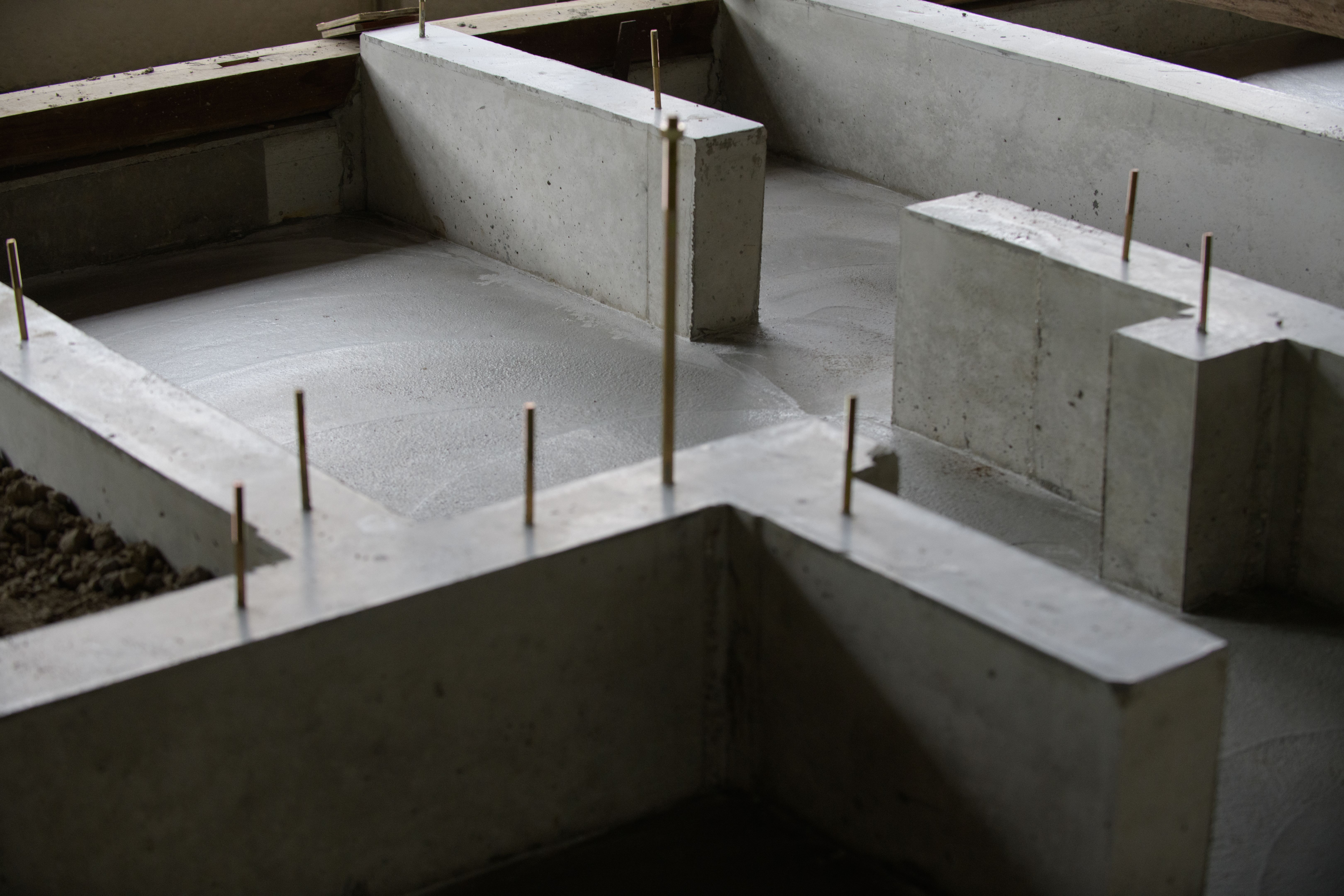
Inspect and Repair Cracks
One of the first steps in preparing your concrete foundation for seasonal changes is to inspect it for cracks. Small cracks can expand in extreme weather conditions, leading to more significant issues. Use a concrete patching compound to fill any visible cracks and prevent moisture from seeping in.
Regular inspections can help identify potential problems early, allowing you to address them before they escalate. This proactive approach is crucial, especially before the onset of extreme weather conditions like winter snow or summer heat.
Seal and Protect
Sealing your concrete foundation is an effective way to protect it from moisture and other external elements. A quality concrete sealant creates a barrier that prevents water from penetrating the surface, reducing the risk of damage from freeze-thaw cycles. Apply the sealant according to the manufacturer's instructions for the best results.

Ensure Proper Drainage
Proper drainage around your foundation is vital to prevent water accumulation, which can lead to soil erosion and foundation settling. Ensure that your gutters and downspouts are functioning correctly, directing water away from the foundation. Additionally, consider installing a French drain or grading the landscape to enhance drainage.
Taking these steps to manage water flow can significantly reduce the risk of foundation damage during heavy rains or melting snow.
Monitor Soil Conditions
The soil around your foundation plays a crucial role in its stability. Seasonal changes can cause soil expansion and contraction, affecting the foundation's structural integrity. Regularly check the soil moisture levels and make adjustments as necessary. During dry spells, watering the ground can prevent excessive contraction.

Consider Professional Assessment
If you're unsure about the condition of your concrete foundation or how to prepare it for seasonal changes, consider hiring a professional for an assessment. Experts can provide insights and recommendations tailored to your specific situation, helping you take the most effective measures to protect your foundation.
Regular maintenance and professional guidance are key to ensuring your foundation withstands the test of time and seasonal variations.
Conclusion
Preparing your concrete foundation for seasonal changes requires a proactive approach and attention to detail. By inspecting for cracks, sealing surfaces, ensuring proper drainage, monitoring soil conditions, and seeking professional advice, you can safeguard your foundation against the challenges posed by changing seasons. These efforts not only protect your investment but also contribute to the safety and longevity of your home.