
Industry Trends in Concrete Construction: Innovations You Should Know


Emerging Materials in Concrete Construction
The concrete industry is witnessing a wave of innovation, particularly in the development of new materials. One of the standout advancements is the use of ultra-high-performance concrete (UHPC). This material boasts exceptional strength and durability, making it ideal for demanding infrastructure projects. Additionally, self-healing concrete is gaining traction. This innovative material can repair its own cracks, significantly extending the lifespan of structures.
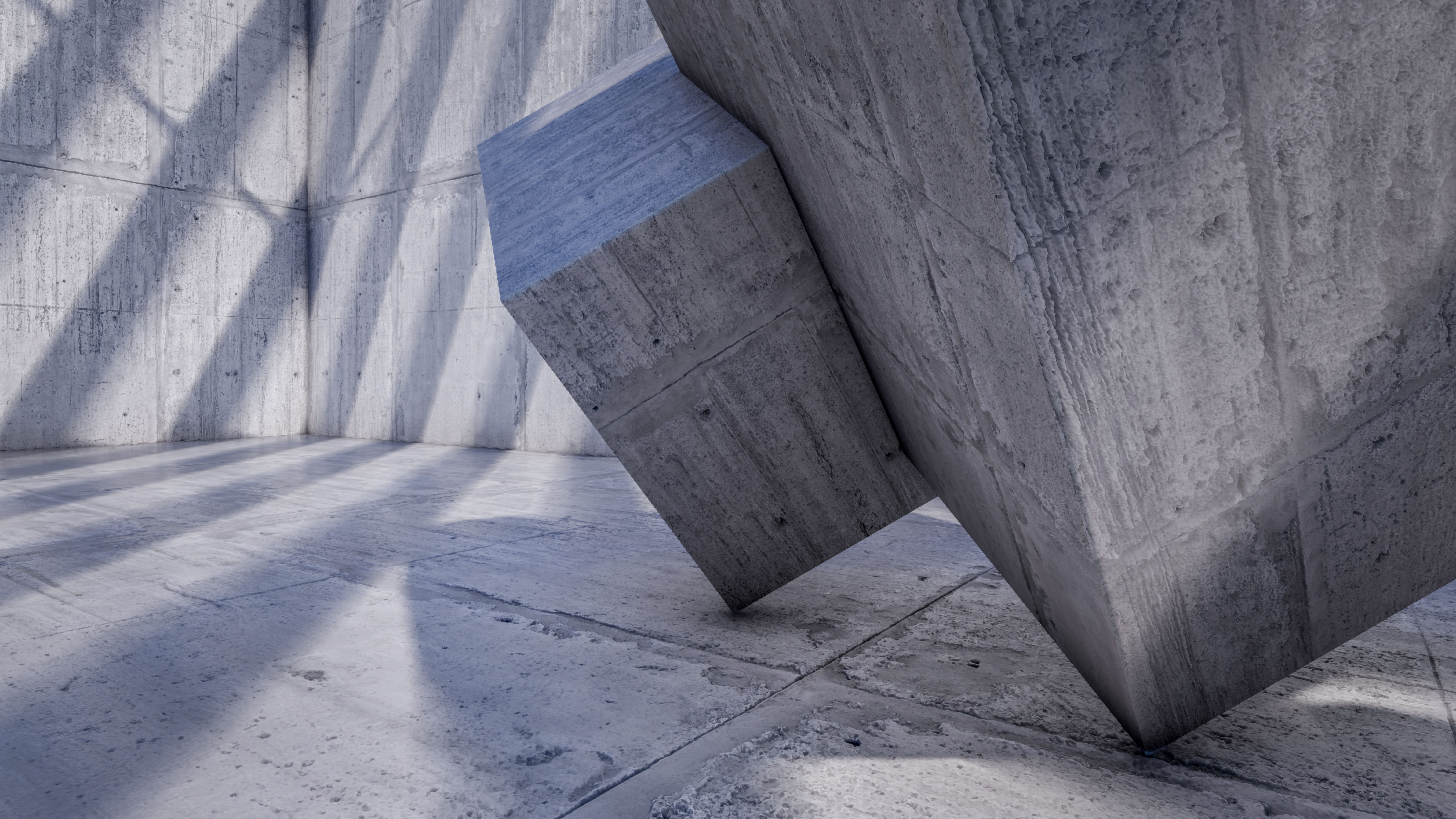
Another noteworthy material is recycled concrete aggregate (RCA), which promotes sustainability by reusing materials. RCA not only reduces the need for new raw materials but also minimizes waste, aligning with global environmental goals.
Technological Advancements
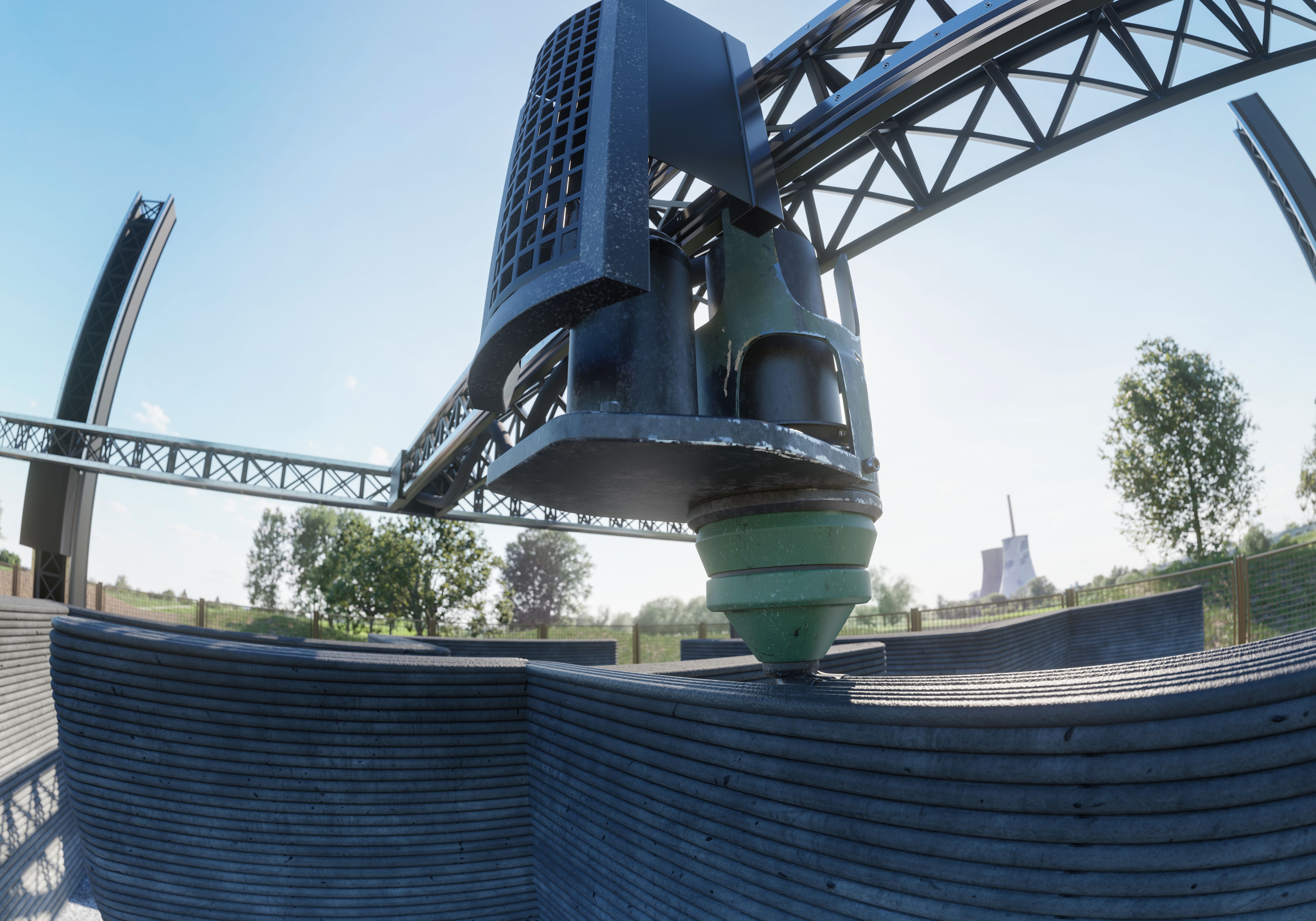
The integration of technology in concrete construction is transforming how projects are executed. 3D printing is at the forefront, offering unprecedented precision and efficiency in building complex structures. This technology reduces material waste and speeds up construction timelines.
Moreover, the use of building information modeling (BIM) enhances collaboration among project stakeholders. BIM allows for detailed planning and visualization, reducing errors and improving project outcomes.
Sustainability in Concrete Production
Sustainability is a driving force in the concrete industry. The incorporation of green concrete, which uses industrial by-products like fly ash and slag, is a step towards reducing the carbon footprint of construction projects. This approach not only benefits the environment but also leads to cost savings.

Additionally, the use of carbon capture technology in cement production is becoming more prevalent. This innovation captures and stores carbon emissions, contributing to cleaner and more sustainable construction practices.
Advanced Construction Techniques
New construction techniques are enhancing the efficiency and safety of concrete projects. Precast concrete elements, manufactured off-site, allow for faster assembly and reduce on-site labor requirements. This method improves quality control and reduces project timelines.
Furthermore, modular construction is gaining popularity. By assembling sections of a building off-site and transporting them for final assembly, this technique offers flexibility and reduces disruption at construction sites.
Conclusion
The concrete construction industry is undergoing a transformation, driven by innovative materials, advanced technologies, and sustainable practices. These trends not only improve the quality and efficiency of construction projects but also align with global sustainability goals. Staying informed about these advancements ensures that industry professionals remain competitive and contribute positively to environmental conservation.