
Innovative Cement Technologies in the USA: Transforming Concrete Construction


Introduction to Innovative Cement Technologies
The construction industry in the USA is experiencing a transformative shift with the advent of innovative cement technologies. These advancements not only enhance the durability and sustainability of concrete structures but also contribute to reducing the environmental impact associated with traditional cement production. As the demand for resilient infrastructure grows, these new technologies are playing a crucial role in shaping the future of concrete construction.
Eco-Friendly Cement Alternatives
One of the most significant developments in cement technology is the creation of eco-friendly alternatives. These include the use of fly ash, slag, and other industrial byproducts to replace a portion of traditional Portland cement. This not only reduces carbon emissions but also repurposes waste materials, contributing to a circular economy. Furthermore, these alternatives often improve the strength and durability of the concrete, making them a popular choice for sustainable construction projects.
A key innovation in this area is the development of geopolymer cement. Made from aluminosilicate materials, geopolymer cement offers a significant reduction in carbon footprint compared to conventional cement. It also demonstrates excellent resistance to chemical attacks, making it ideal for use in harsh environments.
Advanced Admixtures and Additives
The incorporation of advanced admixtures and additives has revolutionized concrete technology. These chemical compounds are added to the concrete mix to modify its properties, enhancing workability, strength, and durability. For instance, superplasticizers allow for the creation of high-performance concrete with reduced water content, leading to stronger and more durable structures.

Another noteworthy development is the use of self-healing concrete. By incorporating microcapsules containing healing agents, this technology enables concrete to repair its own cracks, significantly extending the lifespan of structures and reducing maintenance costs.
3D Printing with Concrete
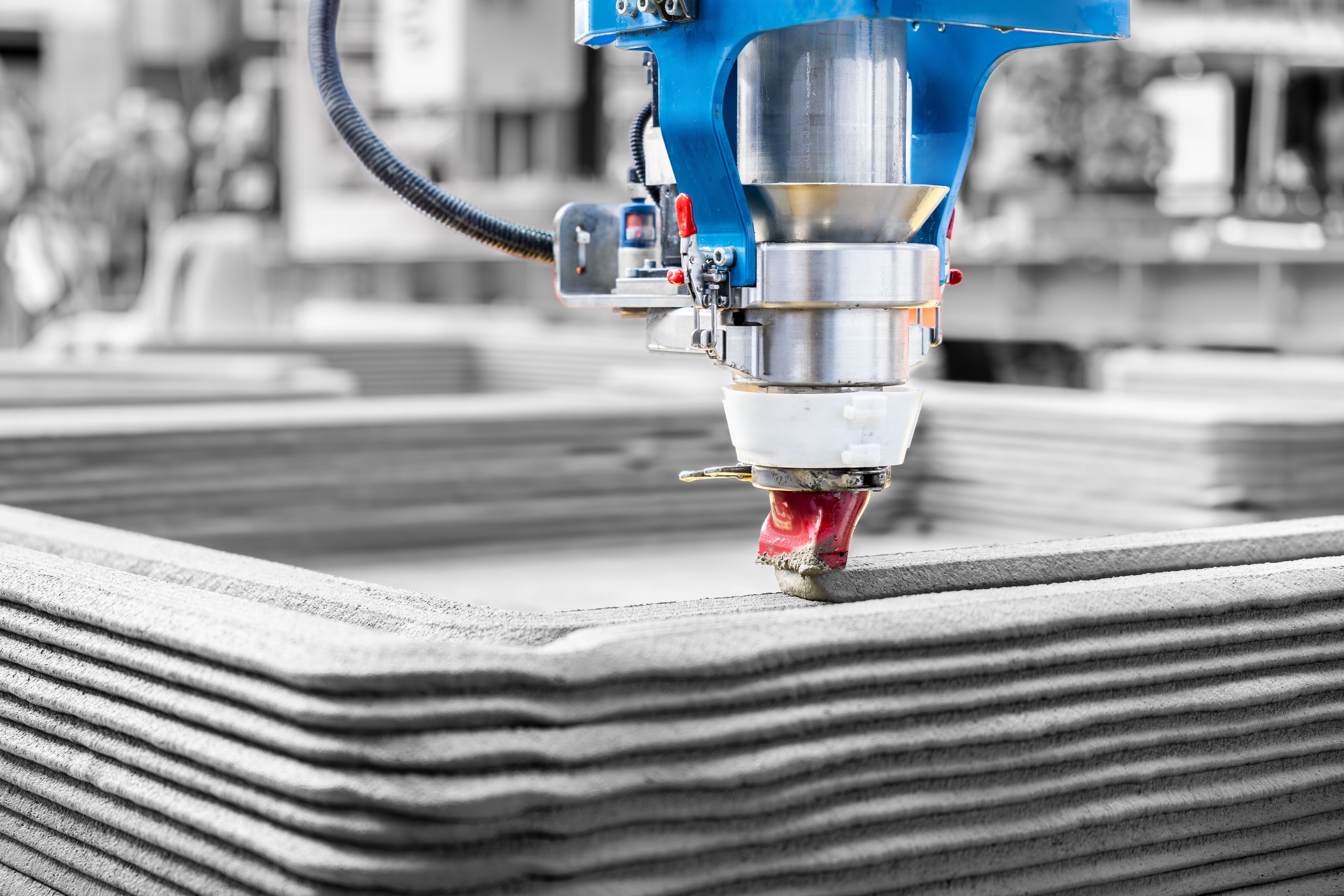
3D printing is rapidly gaining traction in the construction industry, and concrete is no exception. This technology allows for the creation of complex structures with unprecedented precision and efficiency. By using specially formulated cement mixes, 3D printing can produce components with reduced material waste and labor costs.
Moreover, 3D printing facilitates the construction of customized designs that would be difficult or impossible to achieve with traditional methods. This innovation is paving the way for more creative and sustainable architectural solutions.
The Role of Nanotechnology
Nanotechnology is playing a pivotal role in enhancing the properties of cement and concrete. By manipulating materials at the nanoscale, researchers can develop cement with improved strength, durability, and resistance to environmental factors. Nanoparticles, such as nanosilica, are being used to enhance the hydration process, resulting in stronger and more resilient concrete structures.
Additionally, nanotechnology is contributing to the development of smart concrete, which can monitor its own health and provide valuable data on structural integrity. This innovation is particularly beneficial for infrastructure projects where safety and longevity are paramount.
Conclusion
Innovative cement technologies are transforming the landscape of concrete construction in the USA. From eco-friendly alternatives to advanced admixtures and 3D printing, these advancements are paving the way for more sustainable, durable, and efficient structures. As these technologies continue to evolve, they promise to reshape the future of the construction industry, offering solutions that meet the growing demands of modern society while minimizing environmental impact.