
Innovative Industrial Concrete Solutions for High-Performance Results


Revolutionizing Concrete with Cutting-Edge Techniques
In the realm of industrial construction, concrete has always been a cornerstone material. However, as demand for more resilient and high-performing structures increases, innovators are transforming traditional concrete solutions with advanced technologies. These innovations are not just enhancing strength but also optimizing longevity and sustainability.
Advanced Mixtures for Enhanced Durability
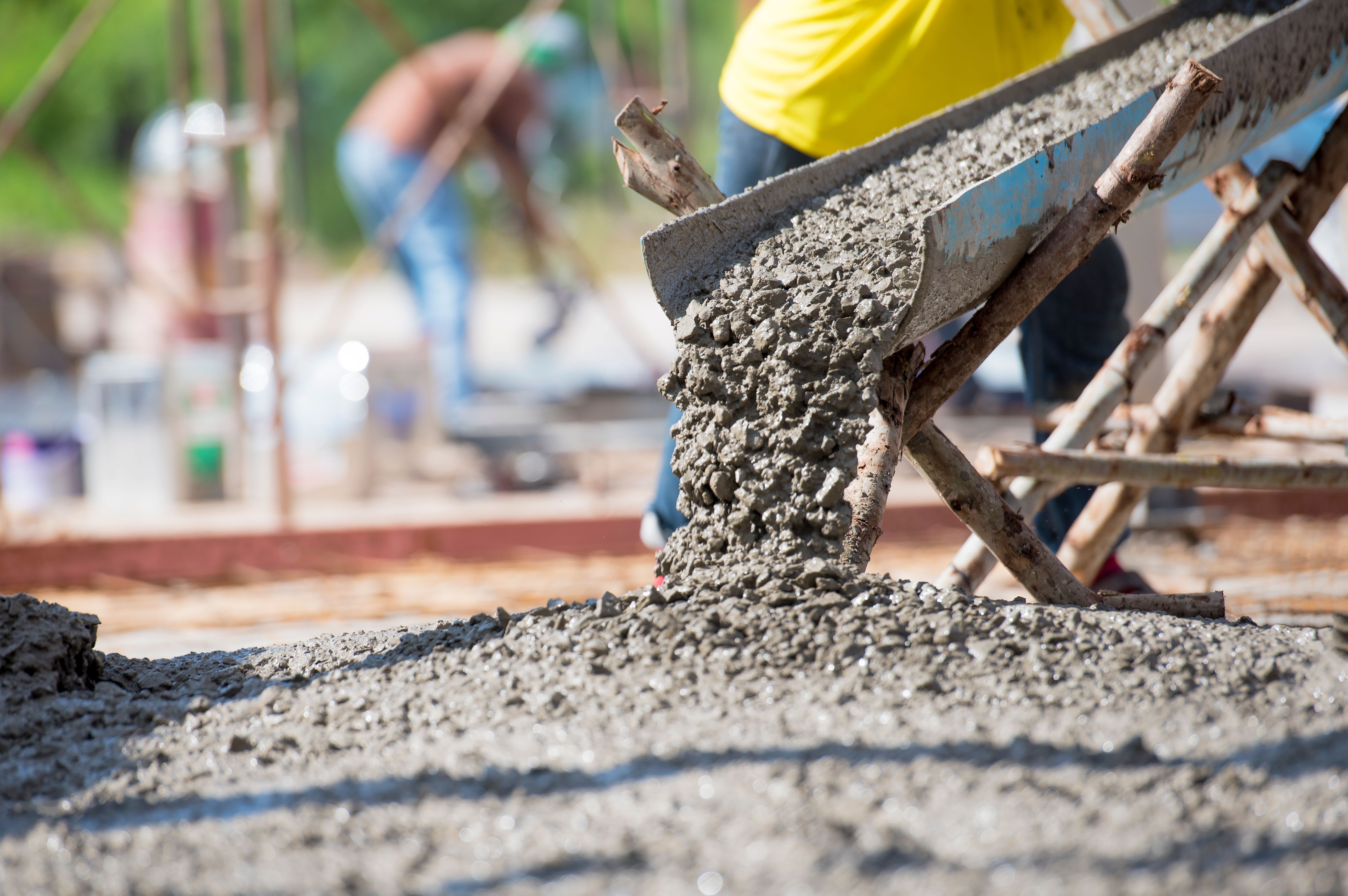
Modern concrete mixtures are pushing the boundaries of what this material can achieve. By incorporating novel additives and fibers, engineers are crafting concrete that can withstand extreme conditions. These enhancements significantly increase the durability, allowing structures to endure harsh weather and heavy loads without compromising integrity.
For instance, the integration of carbon nanotubes and polymer fibers is revolutionizing concrete's tensile strength. These components create a matrix that resists cracking and structural fatigue, ensuring that industrial facilities remain operationally efficient for longer periods.
Sustainability through Innovative Materials
As sustainability becomes a critical focus, the concrete industry is embracing eco-friendly materials. Recycled aggregates and industrial by-products are being utilized to reduce the carbon footprint of concrete production. This not only conserves natural resources but also promotes a circular economy in construction.
Moreover, the introduction of geopolymer concrete, which uses industrial waste like fly ash, is a game-changer. This type of concrete significantly reduces greenhouse gas emissions compared to traditional Portland cement, aligning industrial projects with environmental goals.
Smart Concrete for Real-Time Monitoring
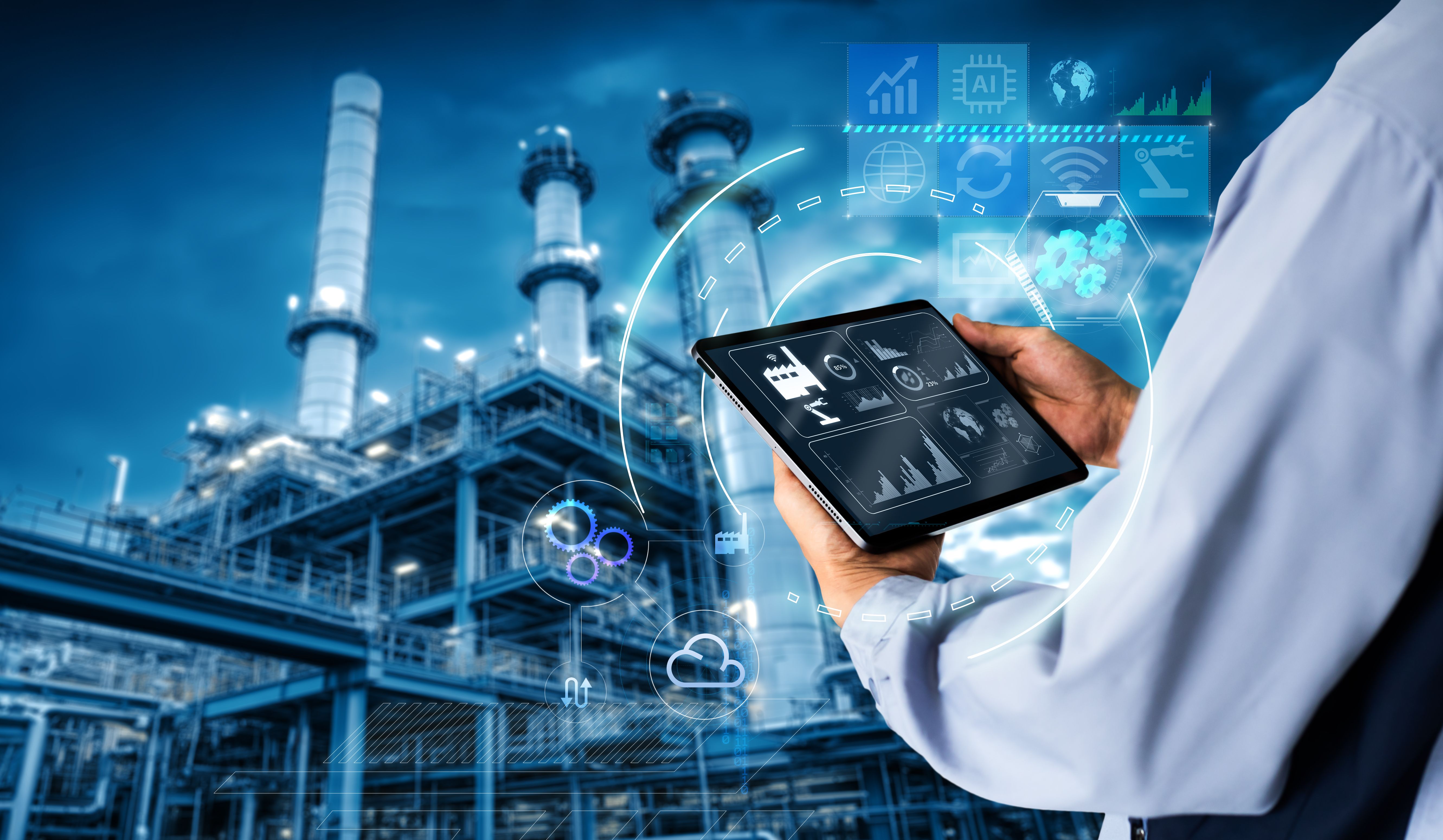
The advent of smart concrete is reshaping how structures are monitored and maintained. By embedding sensors within the concrete mix, engineers can gather real-time data on structural health. This innovative approach allows for proactive maintenance, reducing the risk of unexpected failures.
- Real-time stress and strain monitoring
- Temperature and humidity tracking
- Early detection of potential issues
3D Printing and Prefabrication
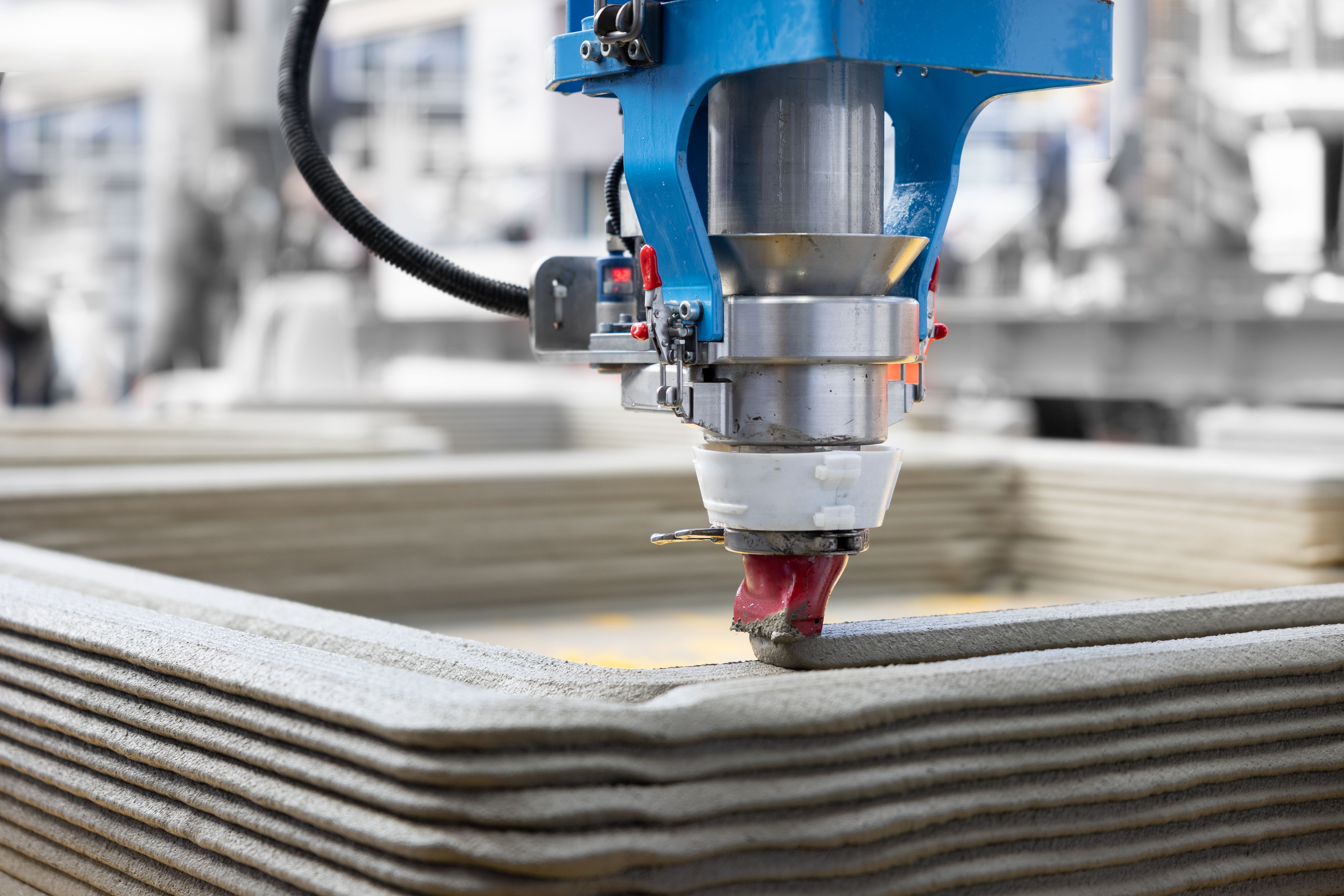
3D printing is no longer a futuristic concept in industrial construction. Using concrete as a medium, 3D printers can create complex structures with precision and efficiency. This method not only accelerates construction timelines but also minimizes waste, as materials are used only where necessary.
Similarly, prefabrication strategies are gaining traction. By manufacturing concrete components off-site, construction projects can benefit from controlled environments that enhance quality and reduce the likelihood of errors.
The Future of Industrial Concrete Solutions
As technology continues to evolve, the potential for industrial concrete solutions is limitless. Collaborative efforts between engineers, material scientists, and environmental experts are key to unlocking new possibilities. The focus on sustainability, efficiency, and resilience is driving the industry forward, setting new standards for what can be achieved with concrete.
Whether through advanced materials, smart technology, or innovative construction methods, the future of concrete is set to redefine how industrial facilities are built and maintained. By embracing these changes, industries can ensure high-performance results while contributing to a sustainable future.