Innovative Trends in California Concrete Solutions: What's New and Next


Revolutionizing California's Concrete Industry
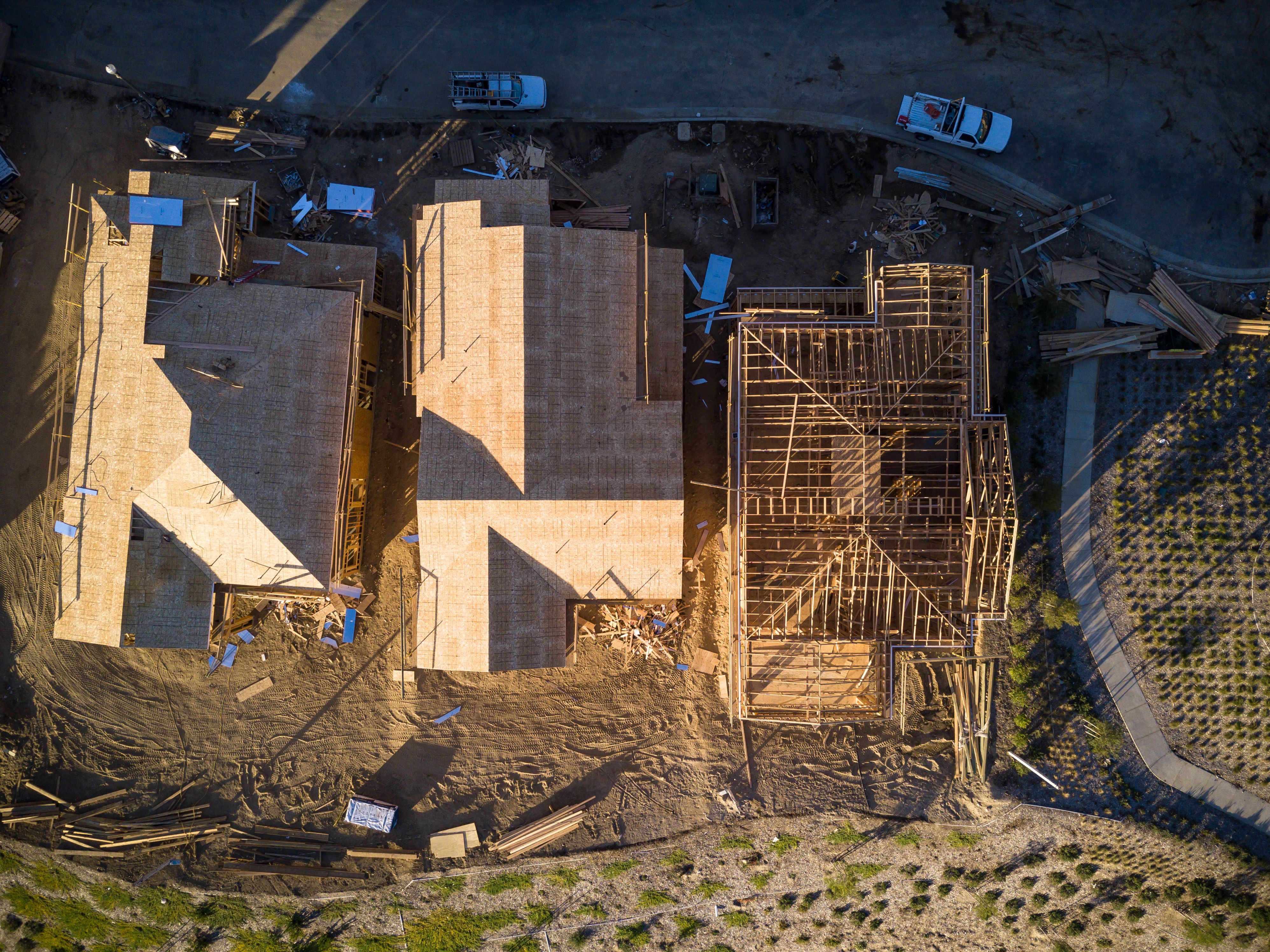
California is at the forefront of innovation in many industries, and concrete solutions are no exception. With advancements in technology and a growing emphasis on sustainability, the concrete industry in California is undergoing a significant transformation. These innovations are not only enhancing the quality and efficiency of construction but also contributing to a more sustainable environment.
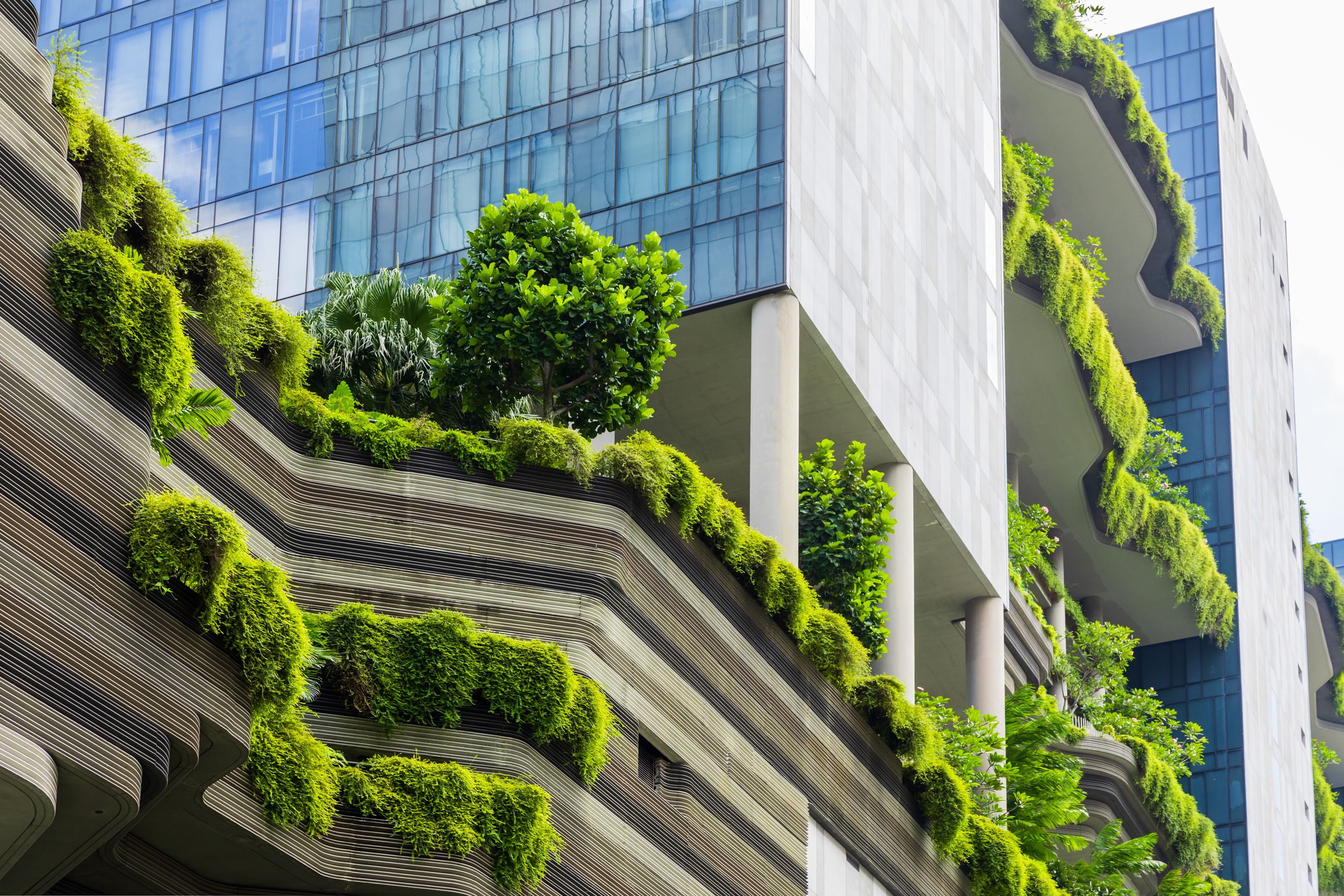
One of the most exciting developments is the use of eco-friendly materials in concrete production. By incorporating recycled materials and reducing reliance on traditional cement, companies are significantly lowering their carbon footprint. This shift is crucial as the construction industry seeks to align with California's stringent environmental regulations.
Sustainable Practices in Concrete Production
Sustainability is a key focus for many concrete companies. The adoption of carbon capture technology is gaining traction, allowing for the reduction of CO2 emissions during the manufacturing process. This innovative approach not only meets environmental standards but also sets a precedent for other states to follow.
Another trend is the use of geopolymer concrete, which replaces traditional Portland cement with alternative materials like fly ash and slag. This type of concrete offers excellent durability and reduced environmental impact, making it a popular choice for sustainable building projects.

Technological Advancements
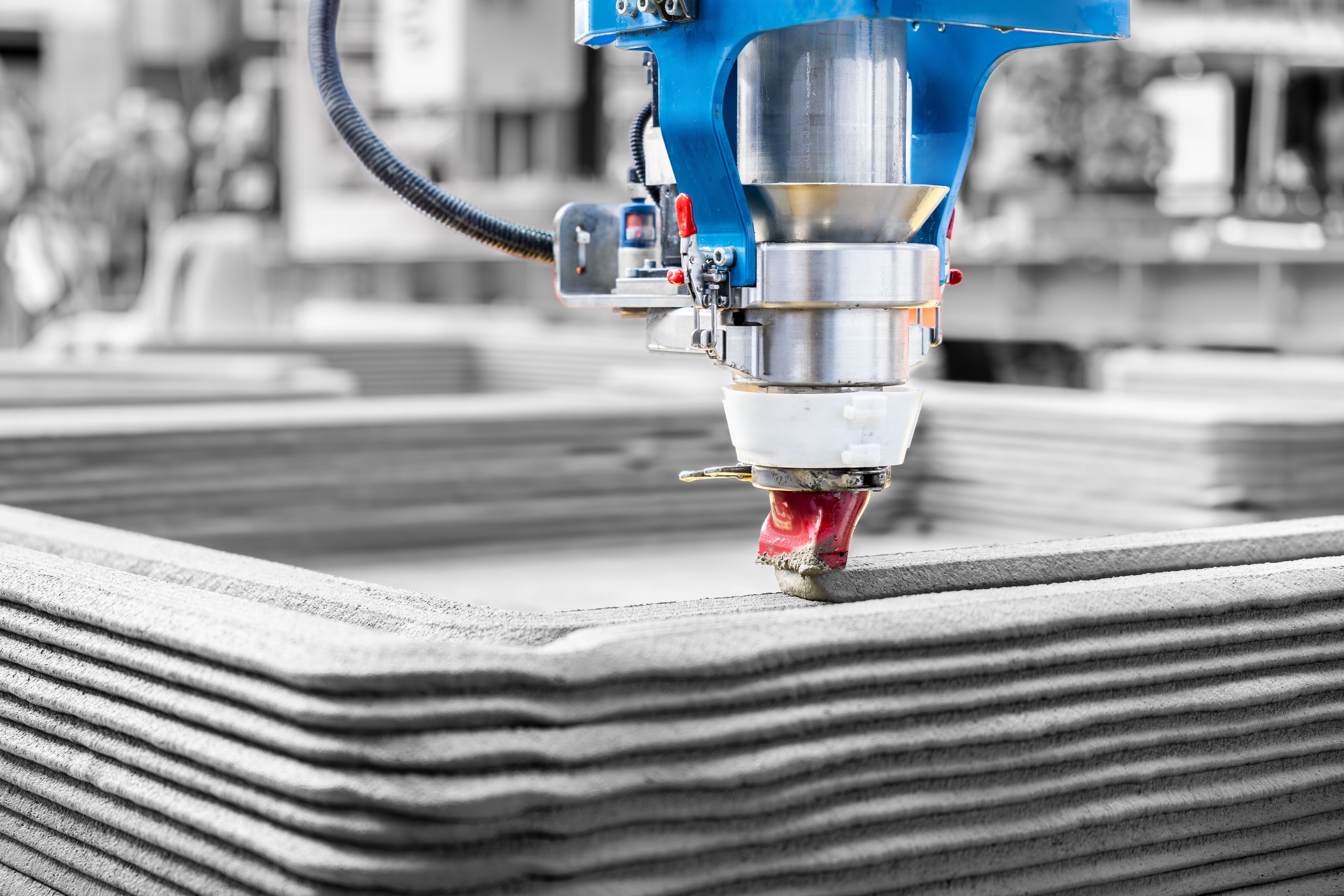
The integration of technology in concrete solutions has been a game-changer. 3D printing technology, for instance, is revolutionizing the way concrete structures are designed and built. The precision and efficiency of 3D printing allow for custom designs and faster construction times, reducing labor costs and waste.
Additionally, the use of smart concrete is becoming more prevalent. This innovative material can monitor its own condition, offering real-time data on stress, temperature, and damage. Such advancements enhance the longevity of structures and improve safety standards.
Future Prospects
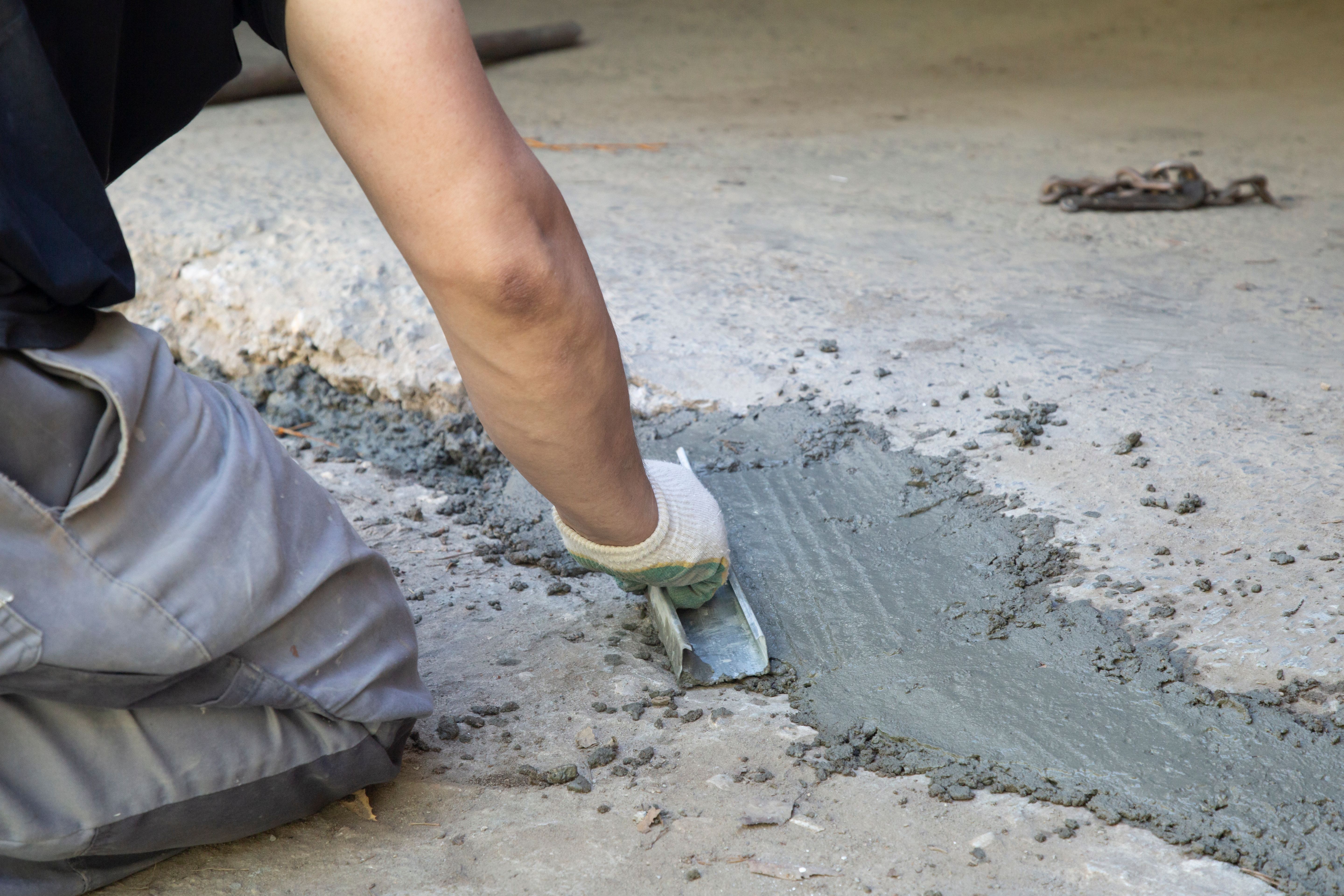
Looking ahead, the future of concrete in California appears promising. There is a growing interest in self-healing concrete, which uses bacteria to repair cracks automatically. This technology has the potential to significantly extend the life of concrete structures, reducing maintenance costs and resource use.
Furthermore, as California continues to experience seismic activity, the development of flexible and resilient concrete solutions is crucial. Innovative materials that can withstand earthquakes are in high demand, ensuring the safety and stability of infrastructure in seismic zones.
Conclusion
Innovative trends in California's concrete industry are paving the way for more sustainable and efficient construction practices. By embracing new technologies and materials, the state is setting a benchmark for the rest of the country. As these trends continue to evolve, they promise to reshape the landscape of construction, offering a future where buildings are not only stronger and more durable but also environmentally friendly.
As California leads the charge in concrete innovation, the potential for growth and development in this sector is immense. The state's commitment to sustainability and technological advancement ensures that it will remain at the cutting edge of concrete solutions for years to come.