
Preparing Your Concrete for Seasonal Changes: A Comprehensive Guide


Understanding Seasonal Impact on Concrete
Concrete, while robust and durable, is not immune to the effects of seasonal changes. As temperatures rise and fall, concrete can expand and contract, leading to potential damage. Understanding these effects is crucial for maintaining the integrity of your concrete surfaces.

Seasonal changes bring about moisture variations, which can lead to cracking or spalling if not properly managed. By preparing your concrete for these changes, you can extend its lifespan and maintain its appearance.
Inspect and Repair Existing Damage
Before the seasons change, it's essential to inspect your concrete surfaces for any existing damage. Look for cracks, chips, or uneven areas that may worsen with temperature fluctuations. Addressing these issues early on can prevent further deterioration.
- Clean the surface to remove any dirt or debris.
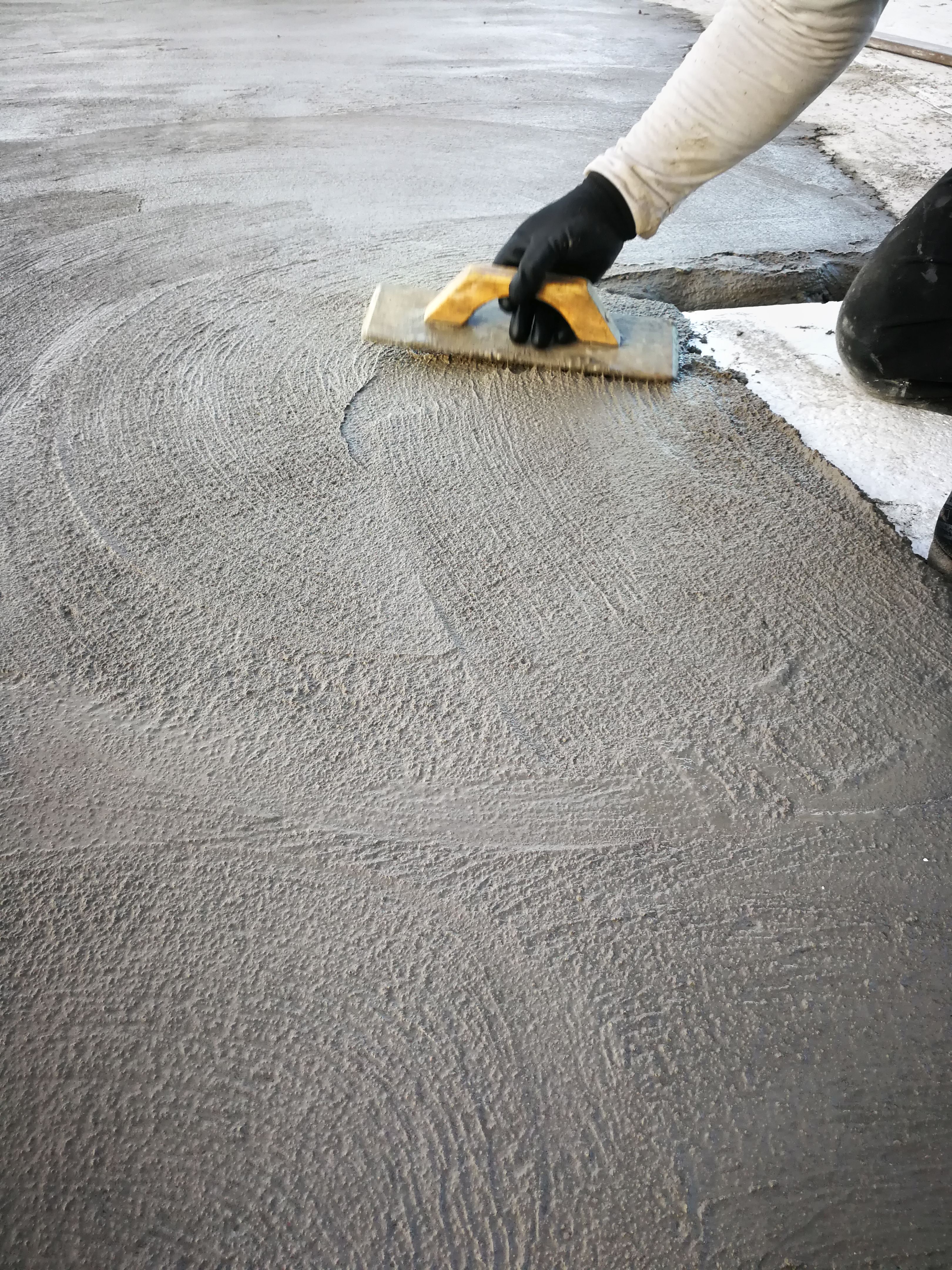
- Fill in cracks using a concrete repair compound.
- Seal the surface to protect against moisture intrusion.
Seal Your Concrete
Sealing is a critical step in preparing your concrete for seasonal changes. A high-quality sealant acts as a barrier against water penetration, reducing the risk of freeze-thaw cycles causing damage. Ensure you choose a sealant suitable for your specific concrete type and environmental conditions.
Apply the sealant following the manufacturer's instructions, typically requiring a clean and dry surface. Regular resealing every few years can provide ongoing protection and maintain the surface's aesthetic appeal.
Manage Drainage and Moisture
Proper drainage is vital to prevent water accumulation on concrete surfaces, which can lead to damage during colder months. Ensure gutters and downspouts direct water away from concrete areas and that the ground slopes away to prevent pooling.
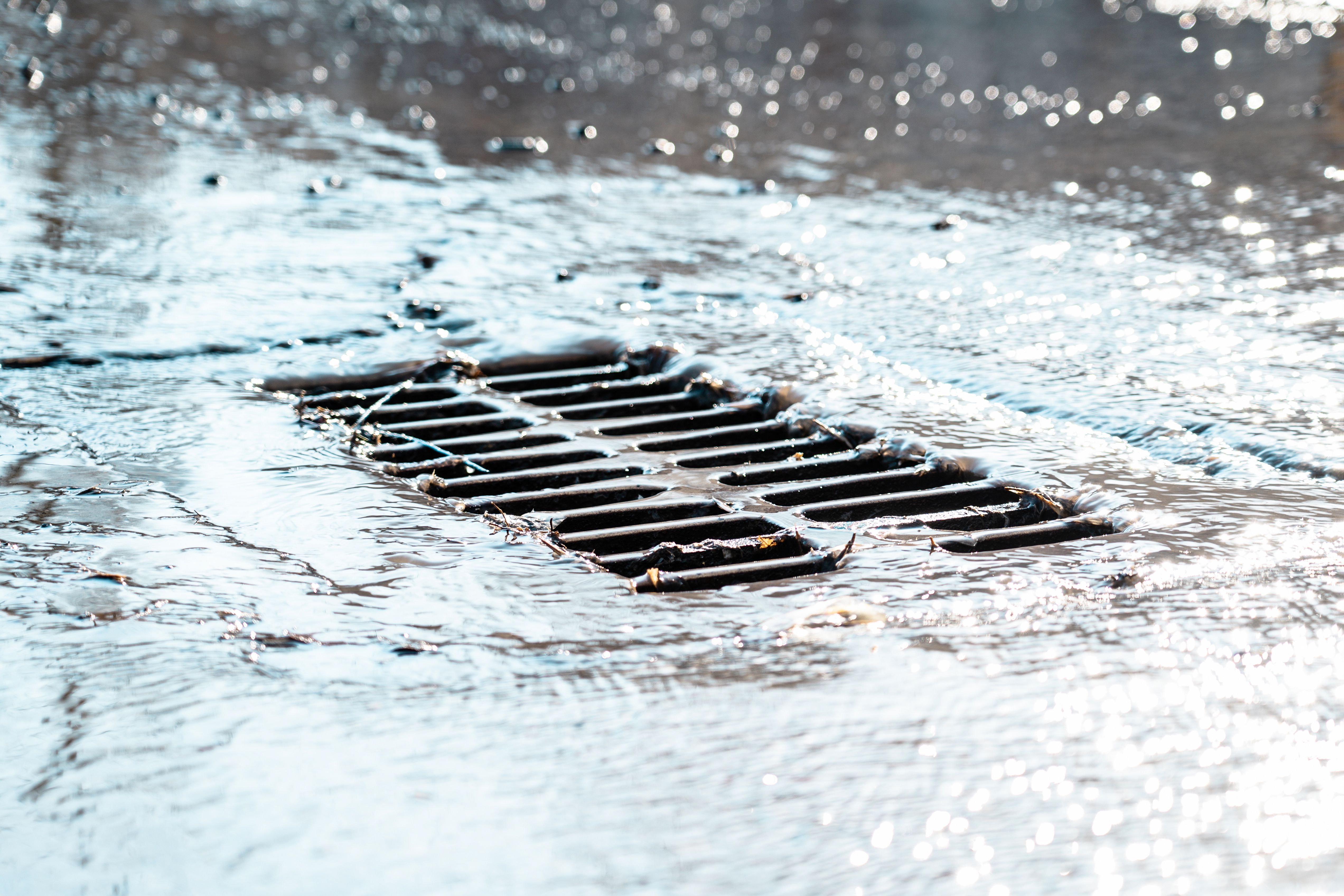
If you live in an area with heavy rainfall or snowfall, consider installing additional drainage solutions like French drains to manage excess water efficiently. This proactive approach helps maintain the integrity of your concrete.
Conclusion
Preparing your concrete for seasonal changes involves proactive inspection, repair, sealing, and moisture management. By taking these steps, you can protect your investment and ensure your concrete surfaces remain safe and attractive year-round.
Regular maintenance and attention to detail are key to extending the life of your concrete, providing peace of mind and preserving the value of your property.