
Seasonal Concrete Maintenance: Preparing for Weather Changes


Understanding Seasonal Concrete Maintenance
Concrete is a durable and versatile material used in various construction projects, from driveways to patios. However, like any other material, it requires proper maintenance, especially with changing weather conditions. Preparing your concrete surfaces for seasonal changes can prevent damage and extend their lifespan.
Seasonal concrete maintenance involves specific steps tailored to the upcoming weather. Whether it's the freeze-thaw cycles of winter or the relentless sun of summer, knowing how to protect your concrete is crucial.
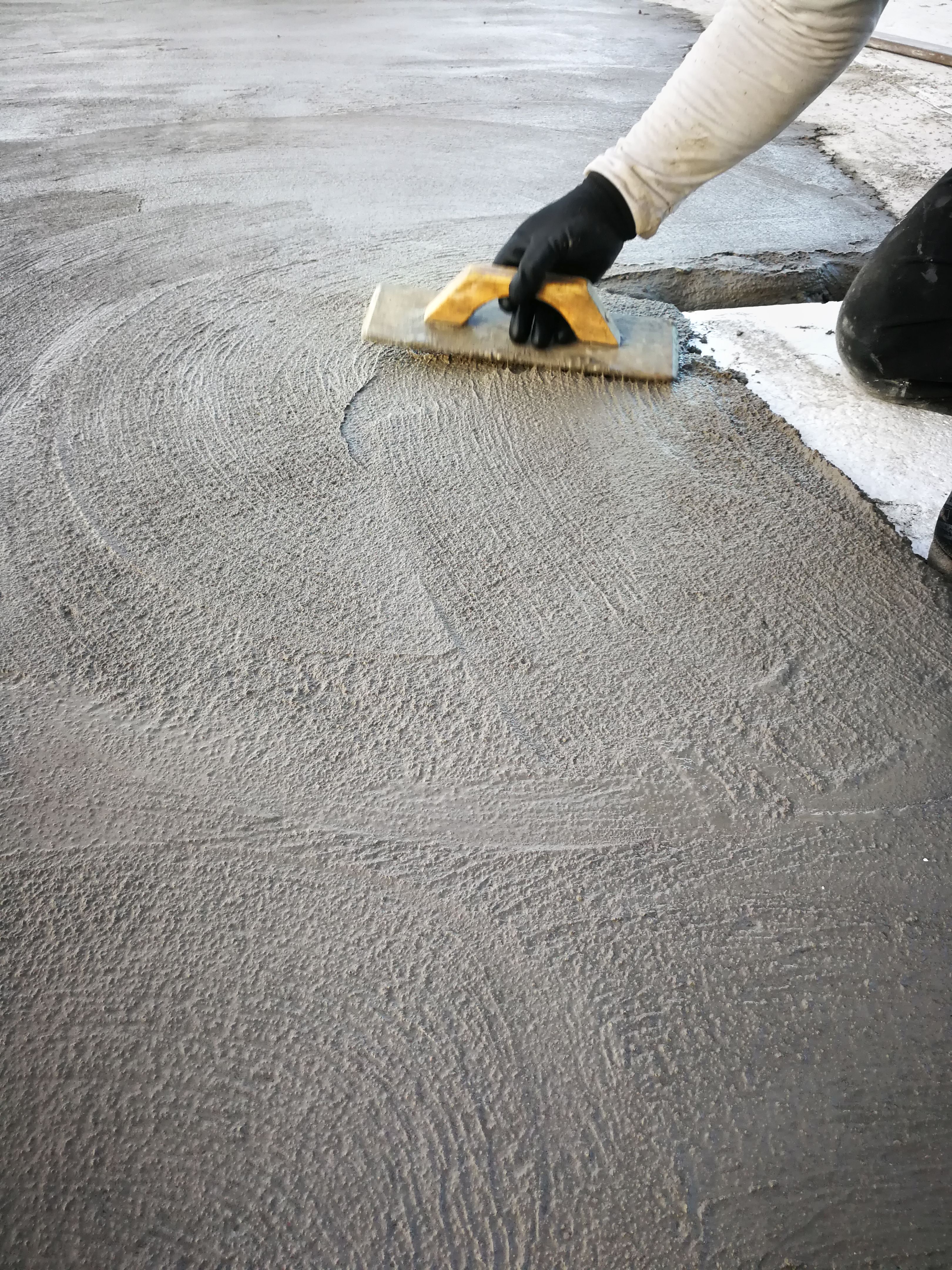
Preparing for Winter
Winter can be particularly harsh on concrete surfaces due to the freeze-thaw cycles. Water can seep into cracks, freeze, and expand, causing further damage. To prepare your concrete for winter:
- Seal Cracks: Inspect your concrete for any cracks and seal them using a quality concrete sealant.
- Apply a Sealer: Use a weatherproof sealer to create a barrier against moisture and de-icing chemicals.
- Remove Debris: Clear away leaves and debris that can trap moisture.
Managing Snow and Ice
When snow and ice accumulate, it's essential to manage them properly. Avoid using harsh chemicals for de-icing. Instead, opt for sand or non-corrosive de-icers that won't damage the concrete surface.
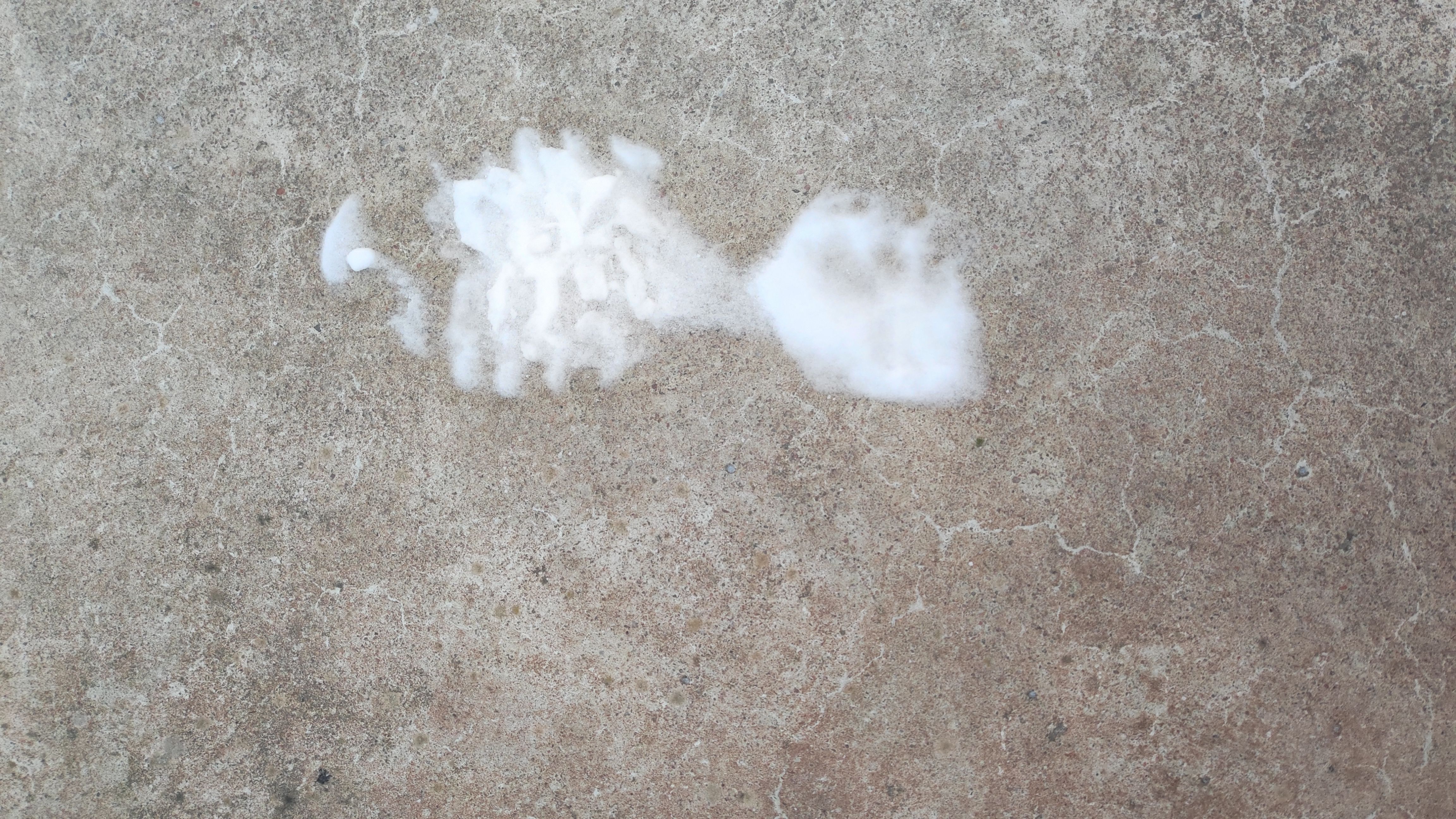
Prepping for Spring and Summer
As temperatures rise, concrete surfaces face different challenges, such as heat and increased foot traffic. Proper maintenance in the spring and summer involves:
- Regular Cleaning: Sweep and wash your concrete surfaces to remove dirt and prevent staining.
- Inspect for Damage: Check for any new cracks or signs of wear and address them immediately.
- Apply a Reflective Coating: Consider using a reflective coating to reduce heat absorption and prevent surface damage.
Handling Heavy Rains
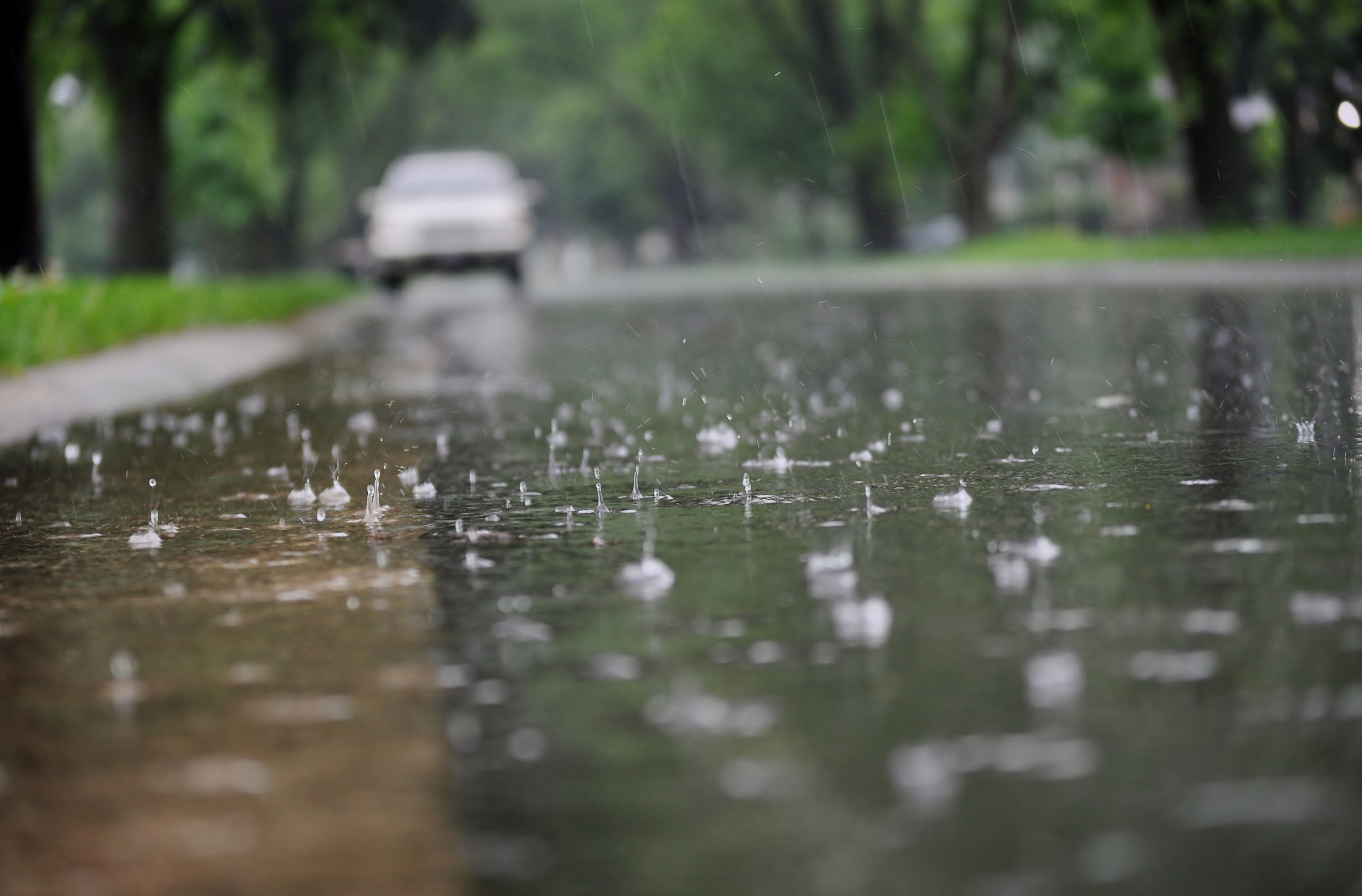
Spring showers can also impact your concrete. Ensure proper drainage around your concrete surfaces to prevent water pooling. Regularly check gutters and downspouts to direct water away from concrete areas.
Fall Maintenance Tips
Fall is an ideal time to prepare for the colder months ahead. With falling leaves and cooler temperatures, focus on:
- Leaf Removal: Regularly sweep away leaves to prevent staining and moisture retention.
- Seal Before Winter: Apply a fresh coat of sealer to protect against the impending winter weather.
- Inspect Drainage: Ensure water can drain away from your concrete to avoid pooling and potential damage.
By following these seasonal maintenance tips, you can maintain the integrity and appearance of your concrete surfaces throughout the year, ensuring they remain functional and attractive for years to come.