
Top Benefits of Using Sustainable Cement for Eco-Friendly Construction


Introduction to Sustainable Cement
In the realm of eco-friendly construction, sustainable cement is emerging as a game-changer. As the construction industry seeks ways to reduce its carbon footprint, sustainable cement offers an effective solution by incorporating environmentally friendly practices in its production and application.
Reduced Carbon Emissions
One of the primary benefits of using sustainable cement is its ability to significantly reduce carbon emissions. Traditional cement production is a major contributor to CO2 emissions, but sustainable alternatives utilize innovative methods that minimize this impact. By incorporating industrial by-products like fly ash or slag, sustainable cement reduces the reliance on raw materials and lowers emissions during production.
Use of Alternative Materials
Sustainable cement often includes alternative materials that are less energy-intensive to produce. These materials not only contribute to lower emissions but also enhance the durability and longevity of the construction. This makes buildings more resilient and reduces the need for frequent repairs, further minimizing environmental impact.
Energy Efficiency
Another significant advantage is the energy efficiency associated with sustainable cement. The production process uses less energy compared to traditional methods, leading to a substantial decrease in the overall energy consumption of the construction industry. This efficiency is crucial for conserving resources and promoting a more sustainable construction sector.
Improved Thermal Insulation
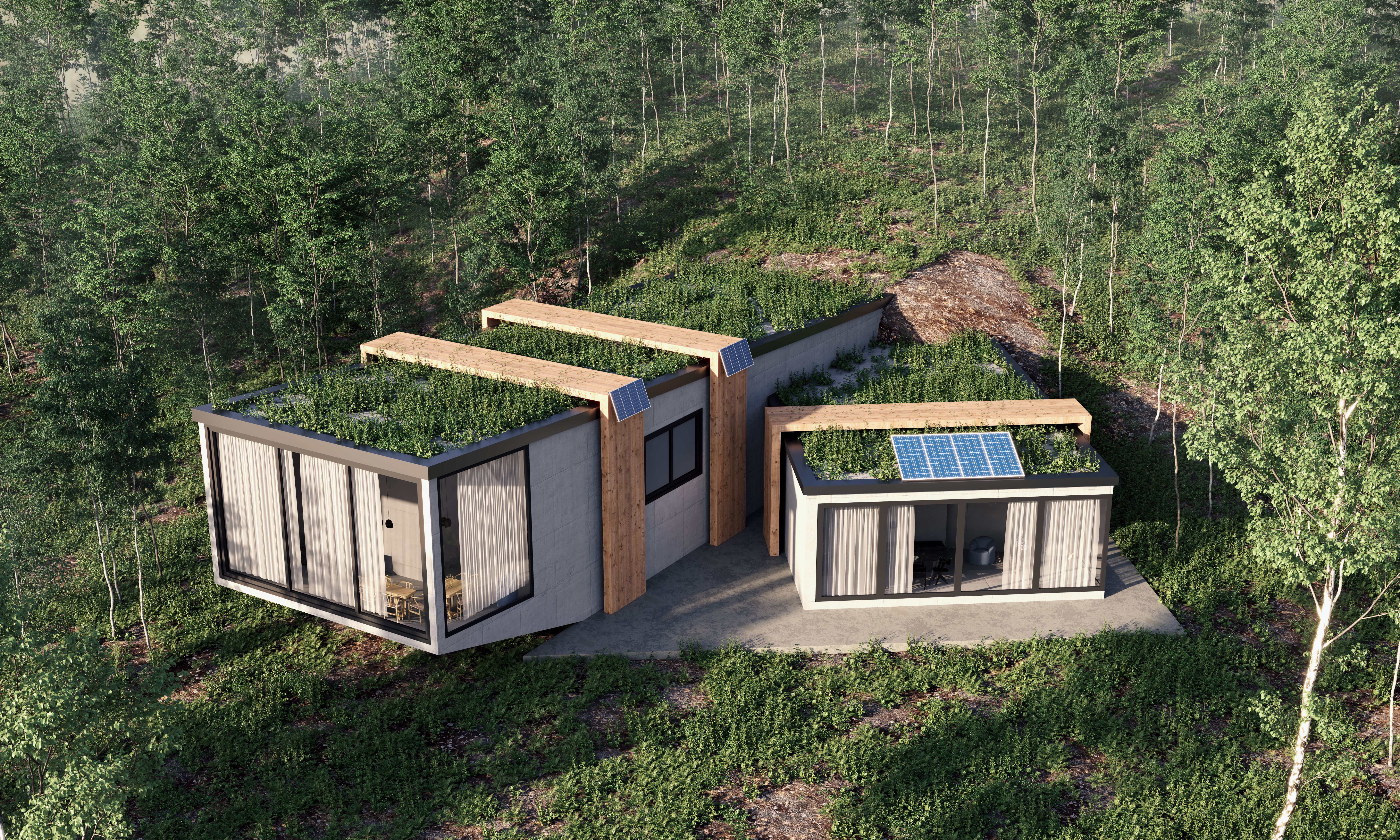
Buildings constructed with sustainable cement often benefit from improved thermal insulation. This results in reduced energy usage for heating and cooling, providing long-term cost savings and contributing to lower greenhouse gas emissions. Enhanced insulation properties help maintain a comfortable indoor environment, reducing the reliance on artificial climate control systems.
Enhanced Durability and Longevity
Sustainable cement is known for its enhanced durability and longevity, which means structures require less maintenance over time. This durability not only reduces the need for additional materials and resources but also extends the lifespan of buildings, offering significant environmental and economic benefits.
Resistance to Environmental Factors
The resilience of sustainable cement to environmental factors such as moisture, temperature fluctuations, and chemical exposure ensures that buildings remain structurally sound for longer periods. This resistance is crucial in areas prone to harsh weather conditions, providing added security and stability.
Conclusion
Embracing sustainable cement in construction projects is a crucial step toward eco-friendly building practices. With benefits ranging from reduced carbon emissions and energy efficiency to enhanced durability, sustainable cement is paving the way for a greener future in the construction industry. By choosing sustainable options, builders and developers can contribute to a healthier planet while also reaping economic advantages.